Last updated November 21, 2026
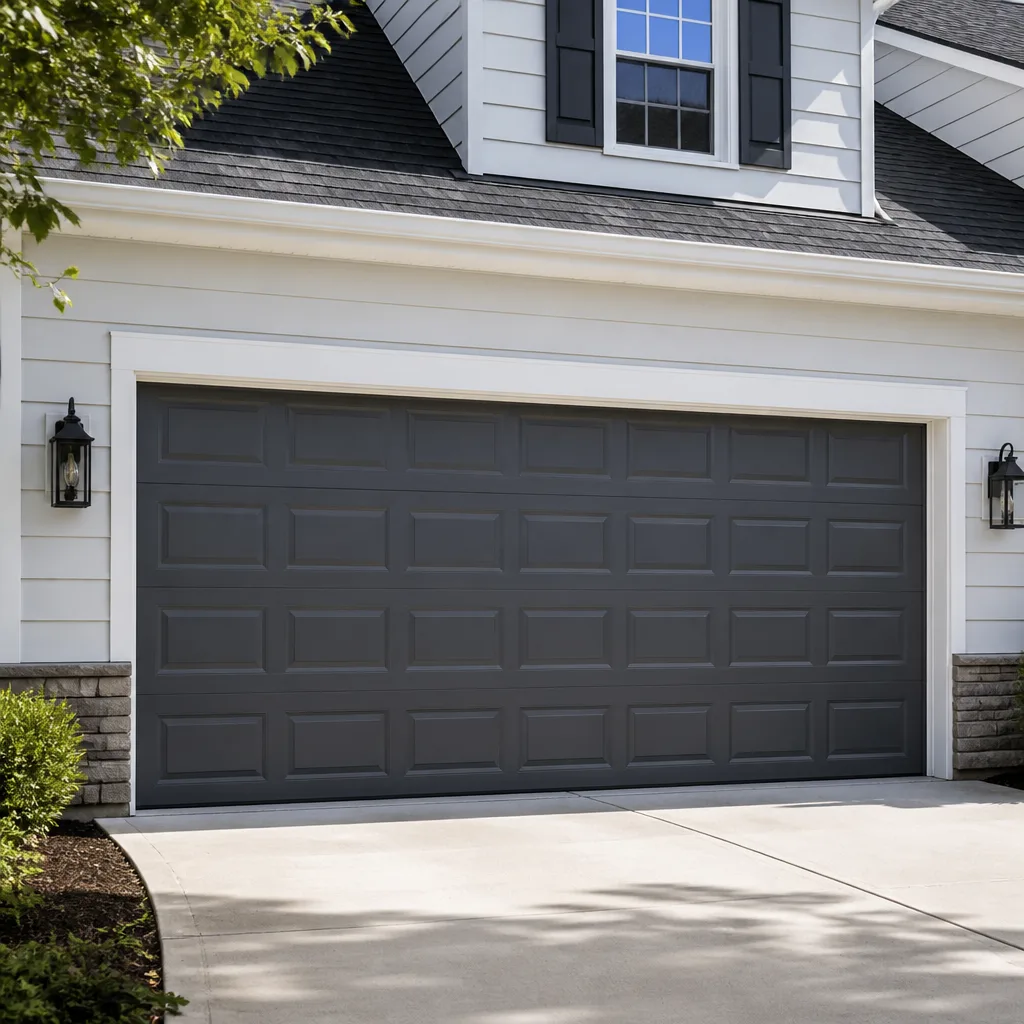 Raised-panel steel
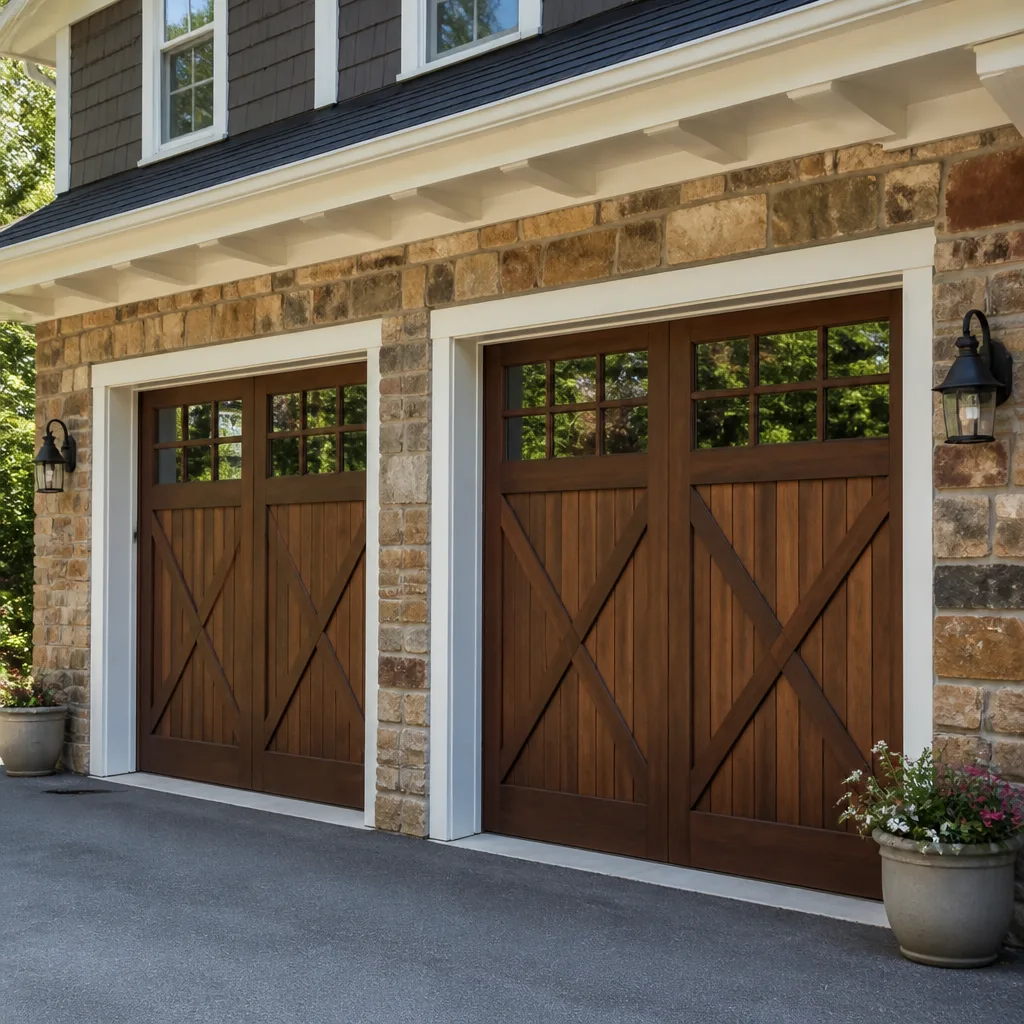 Carriage house
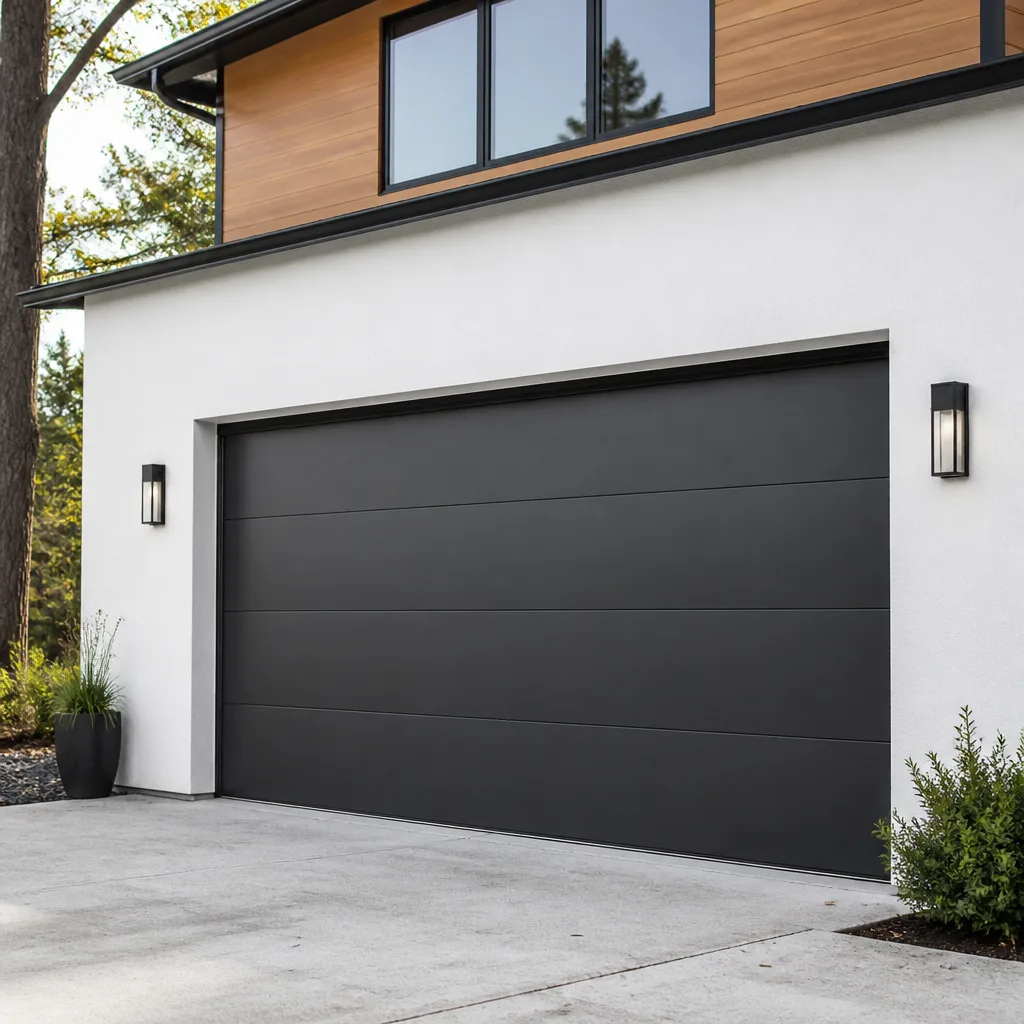 Modern flush
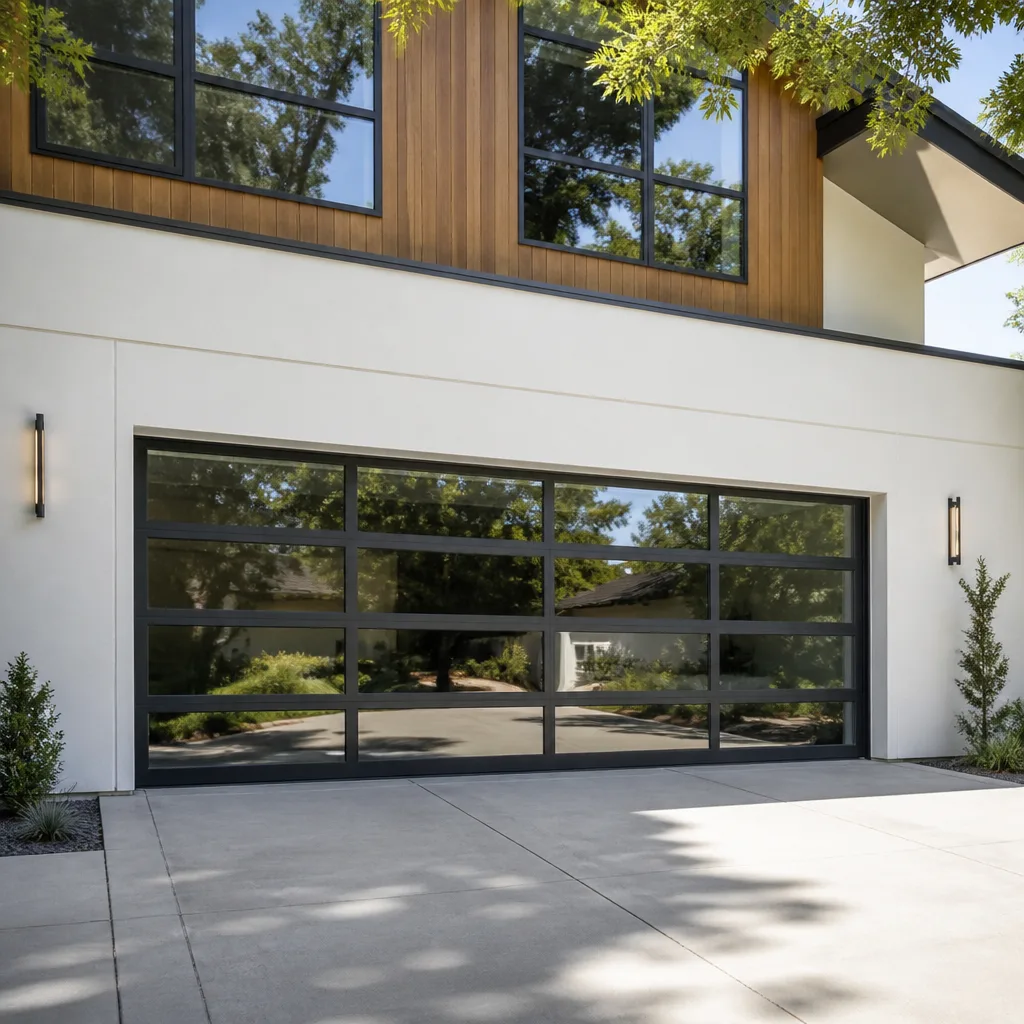 Full-view glass
 LiftMaster openers
 Chamberlain openers
Full 25-point door and opener safety check with every visit - springs, cables, rollers, tracks, and your LiftMaster or Chamberlain opener included
You get a price before we start. It does not change when the pro arrives.
Get your free estimateSeasonal Garage Door Care for New Britain: Year-Round Homeowner’s Guide
A spring that made it through a New Britain summer is not automatically a spring that will make it through January. Cold changes the math. Metal that was already near the end of its fatigue life in August can sit right at its failure threshold by February, and the first hard freeze is often what tips it over. That’s the part most seasonal checklists miss: they treat maintenance as a cosmetic tune-up when it’s really a hunt for weak components before the worst temperature of the year finds them first. This guide walks through what each New Britain season actually does to your door, a month-by-month calendar built for this climate, and how to tell a cheap fix from an urgent one.
Quick Answer
Seasonal garage door maintenance in New Britain means tuning the door before each temperature swing, not after it fails: check and adjust spring tension in fall, swap to a cold-rated lubricant, confirm the weather seal still compresses, clear the threshold of ice and debris through winter freeze-thaw, inspect cables and rollers each spring for thermal-cycling wear, and watch wood components for real swelling in summer humidity. The goal is finding marginal parts – springs, cables, seals, brackets – while they’re still just worn and not yet broken.
Styles & brands we work with
- Raised-panel steel
- Carriage house
- Modern flush
- Full-view glass
- LiftMaster openers
- Chamberlain openers
Table of Contents
- Why Seasonal Care Matters More in New Britain Than the Guidebooks Admit
- Fall Prep: Tuning the Door Before the First Freeze
- Winter Failure Patterns: Why Doors Bind at the Floor
- Spring Inspection: Reading the Damage a Cold Winter Leaves Behind
- Summer Humidity and Wood Doors: Cosmetic Swelling vs. Structural Trouble
- A Month-by-Month Calendar for New Britain’s Climate
- Brand-Specific Notes for Common Hardware
- Common Mistakes to Avoid
Why Seasonal Care Matters More in New Britain Than the Guidebooks Admit
New Britain sits in a climate that swings hard in both directions. Summer humidity is real, winter cold is real, and the freeze-thaw cycle in between works on a garage door like a slow, patient stress test. National maintenance templates usually get written for a milder average. That’s why a generic “check your door twice a year” schedule undersells what a Connecticut door actually goes through.
The key thing to understand is that seasonal extremes don’t create new problems so much as expose existing ones. A torsion spring at most of its rated cycle life might function fine in mild weather and fail the first week the temperature drops into the single digits. A weather seal that was already slightly flattened might still touch the floor in October and then let in cold air and water by January. A cable with a few frayed strands might look okay until thermal contraction puts extra load on it.
That means seasonal maintenance in New Britain isn’t about polishing anything. It’s about early detection. You’re looking for the components that are already marginal so you can replace them on your schedule instead of on a frozen morning when your car is trapped inside.
- Thermal cycling tightens and loosens metal repeatedly through the year, which accelerates fatigue on springs and cables.
- Humidity swings move wood components in summer, and dry winter air moves them back – each cycle leaves a little more wear.
- Freeze-thaw at the threshold creates ice dams and floor binding that strains the whole door mechanism.
- Winter road salt tracked into the garage corrodes bottom brackets, hinges, and the lowest rollers first.
Understanding New Britain Garage Door Repair Pros shouldn’t feel like a mystery. Everything below is what a trained specialist looks at when walking through a seasonal inspection, laid out so you can understand the priorities.
Fall Prep: Tuning the Door Before the First Freeze
Fall is the most valuable maintenance window of the year in New Britain because you still have mild working conditions and you still have time before the cold exposes weak components. The whole point is to get the door in balance now so that January doesn’t find the weak spots for you.
Here’s the sequence a trained technician follows, in the order that matters:
- Check spring balance first. Disconnect the opener and lift the door by hand to about halfway. A balanced door stays put. A door that sags or rises on its own means the tension is off – and that’s the condition most likely to turn into a snapped spring in cold weather. Don’t try to adjust torsion springs yourself; they’re under extreme tension. This is the first item to have a professional check.
- Test the door’s travel and force settings. Run the door through a full open and close cycle. A door that hesitates, reverses early, or runs unevenly in fall will run worse in cold. The fix might be an adjustment, a worn roller, or a sign the opener’s force limit needs resetting.
- Confirm the weather seal still compresses. Close the door and look for daylight or feel for cold air at the bottom. A seal that no longer touches uniformly will let water in and freeze at the threshold later.
- Swap in cold-rated lubricant. Standard lubricants thicken when temperatures drop, which makes the door sluggish and loads the opener and springs. Cold-rated lubricant on hinges, rollers, and tracks keeps things moving all winter.
- Inspect hinges, rollers, and bottom brackets for rust. Get to these before winter road salt tracked into the garage makes corrosion worse.
Most of this you can check visually. The one thing you shouldn’t touch is spring tension – that’s a job for a specialist. If a technician is already out for a tune-up, this is the moment to schedule any garage door spring repair before prices and wait times get tighter with cold-weather demand.
If your door is a Wayne Dalton or Craftsman model, the fall tune-up is also a good time to check opener travel and safety-reverse function, since those systems are widely installed in New Britain and service technicians know them well.
Winter Failure Patterns: Why Doors Bind at the Floor
The most common winter failure in New Britain doesn’t happen in the springs – it happens at the floor. Doors bind, the opener strains, and often the door reverses or stops short of fully closing. The cause is almost always the threshold, not the door itself.
Freeze-thaw does its work right at ground level. Any water that gets past a worn weather seal, sits under the door, and then freezes creates a hard ice dam against the bottom edge. The door hits the ice and can’t close the last inch or two. The opener sees resistance, its force sensor trips, and the door reverses. Homeowners often assume the opener is failing when the real problem is a half-inch of ice.
The fix is addressing the threshold, not the door:
- Clear the area at the floor where the door seats, especially any ice ridges, before operating the door on a cold morning.
- Improve drainage away from the garage opening so water doesn’t pool at the threshold and refreeze.
- Replace a worn bottom seal so water has less chance to get in and freeze there in the first place.
- Check that the door’s down-limit is set correctly so it seats firmly without over-compressing the seal – too tight and it damages the seal, too loose and it doesn’t seal at all.
There’s a second winter pattern worth knowing about too. Cold shrinks metal slightly, and a door that tracked perfectly in warm weather can start dragging or binding on the tracks once temperatures drop. If you hear grinding or the door shifts sideways as it travels, the tracks and rollers need a look before it turns into a broken bracket.
If a door fails on a Saturday and it’s blocking the car or leaving the house open, call us and we’ll get you booked. For anything urgent – a snapped spring, a door that won’t close – garage door repair is the fastest path back to normal.
Spring Inspection: Reading the Damage a Cold Winter Leaves Behind
By the time spring arrives in New Britain, your door has just been through the most punishing stretch of its year. A proper spring inspection isn’t just “does it still open” – it’s reading the wear that repeated thermal cycling leaves on the components that take the most load.
Here are the priorities, in order:
- Cables. Cables run over pulleys and take the load while the door moves. Repeated thermal cycling works the strands, and fraying or deformation is often visible if you know what to look for. Any cable that shows broken strands, kinks, or slack on one side needs professional attention before it fails.
- Rollers. Rollers sit in the track and take the brunt of winter grit. Worn rollers get noisy, then they start skidding, then they damage the track itself. If you hear a rattle when the door moves, suspect the rollers first.
- Bottom brackets. These are at the lowest point of the door where road salt, tracked-in moisture, and winter grime collect. Corrosion here weakens the point that holds the cable, and this is a component that should be looked at by a specialist only – brackets are under cable tension.
- Hinges and pivot points. Lubricate these after winter. Dry hinges load the opener unnecessarily and get noisier as they wear.
- Spring balance test again. Run the same balance check you did in fall. A door that was balanced in fall and isn’t now means something has changed – often the spring has lost tension or a component has worn.
Spring is also when any deferred decisions from winter get easier to evaluate. A door that made it through a winter on a marginal spring shouldn’t be trusted to reach the next one – that’s exactly the kind of component the seasonal inspection is designed to catch. For a proper balance and cable check, garage door spring repair is done by a specialist who can confirm the tension is right, not just that the door opens.
Raynor and LiftMaster systems are common on doors that take heavier use through New Britain winters, and opening and closing a few extra cycles during a spring check helps a trained eye spot wear sooner than an occasional cycle would reveal.
Summer Humidity and Wood Doors: Cosmetic Swelling vs. Structural Trouble
New Britain summers carry real humidity, and if your door is wood or has wood framing, that humidity moves the wood. It’s important to tell the difference between swelling that’s cosmetic and swelling that’s structural – because the two get confused constantly, and the response is different.
Cosmetic swelling is when panels or sections visibly expand slightly against their neighbors, joints look a bit tighter than in winter, and a surface coat looks duller or shows finer cracks than it did in fall. This is normal seasonal movement. The wood will move back as humidity drops. Nothing structural is at risk yet.
Structural swelling looks different. You’re looking for:
- Sections that no longer sit flush, or that catch on each other during travel
- Wood that has visibly pulled away from hardware at hinges or brackets
- Soft spots or discoloration that looks like rot rather than surface weathering
- Sections that get stuck or bind in the track in warm, humid weather but run fine in cool weather
If the door binds in summer and runs smoothly in fall, the momentum of the wood is enough to change how the door runs in the track – and continued operation while it’s binding wears out the hardware. That’s the transition from cosmetic to structural, and it’s when it needs a professional look.
Since you have wood framing too, check the frame at the sides of the opening. If it looks fine through summer but shows gaps or movement in winter, you’re seeing the same seasonal movement working on the frame. Weather seals and flashing that keep water out of that wood during humidity swings are the simplest way to keep this from becoming structural over time.
A Month-by-Month Calendar for New Britain’s Climate
Generic maintenance schedules are written for averages, not for New Britain. Here’s a schedule built for this climate specifically. Each item is a short check, not a project – except spring tension, which is a specialist-only item.
- March: After winter, do the post-winter inspection – cables, rollers, bottom brackets, spring balance. Clear residual road salt and grit from the bottom edges and tracks.
- April: Lubricate hinges and rollers for the coming warm season. Confirm the door runs smoothly through a full cycle in mild weather. This is a good window for any garage door repair you deferred from winter.
- May: Inspect wood door surfaces and framing for winter-then-humidity damage. Touch up any finish that’s failing before the wet months start.
- June: Check summer performance. If the door binds in warm weather, watch it for the next few weeks to see if it’s cosmetic.
- July: Peak humidity month. Watch wood doors for the structural swelling signs above. Also confirm the opener’s force settings aren’t being tested by a binding door – don’t adjust force to compensate for a door that needs service.
- August: The last warm month before fall prep. Do a full pre-fall review: spring balance, weather seal, hinge wear. This is when you want to book any spring work.
- September: Fall prep begins in earnest. Cold-rated lubricant swap, weather seal compression check, hinge and roller inspection, test the opener’s safe-reverse function.
- October: Final fall tune-up before the first hard freeze. This is the moment to catch marginal springs before they fail in cold. If a spring is questionable, get it replaced now.
- November: Check the threshold and the bottom seal. Clear any debris that could freeze at the door’s lowest point.
- December through February: Winter operation. Keep the threshold clear of ice, run the door gently on the coldest mornings, watch for the freeze-thaw binding pattern and note if the door reverses or stops short.
Sticking to this schedule keeps small problems from becoming expensive ones, and it keeps you ahead of the demand that builds at certain times of year. When a spring snaps in the middle of a New Britain cold spell, wait times get longer. If you get a garage door opener repair or spring check ahead of that, you skip the queue entirely.
Brand-Specific Notes for Common Hardware
Seasonal care is broadly the same for any door, but the hardware details change depending on what’s installed. In New Britain, you’ll find a lot of common American-market brands, and technicians who service them know the wear patterns to expect.
- LiftMaster openers: Common on newer installations, with force and travel adjustments that need resetting after seasonal changes. A door that binds in winter will trip these settings – fix the door, not the setting.
- Chamberlain openers: Similar control-panel logic to LiftMaster. The safety-reverse test is worth doing every season regardless of temperature.
- Craftsman openers: Widely installed. Older units may have less subtle force adjustments, so a binding door is more likely to strain the opener itself.
- Wayne Dalton doors: Common in the area and often have weather seal and hinge wear patterns worth checking each season.
- Raynor and Clopay doors: Frequently serviced for weather seal replacements after a hard winter, since seal wear is the most common post-winter fix.
- Genie and Amarr: Both show up in the area. Same rule applies – seasonal tune-up first, brand-specific parts after diagnosis.
Knowing that a technician already works on your brand means faster diagnosis. If a Wayne Dalton door needs a spring rebalance, the technician arrives with the hardware knowledge to do the job correctly on the first visit.
Common Mistakes to Avoid
- Waiting for failure before looking at the springs. If the spring is at 80% of its rated cycle life in August, it’s not “fine” – it’s ready to fail in February. Get the balance checked each fall, not just when something breaks.
- Using the wrong lubricant in cold weather. A general-purpose spray that works in July can turn thick and gummy in January and strain the door. Use cold-rated lubricant before the first freeze.
- Adjusting opener force to compensate for a binding door. When the door starts binding at the floor, some homeowners crank up the force so the door still closes. That masks the real problem, damages the seal, and overloads the opener. Fix the threshold and the seal, not the force setting.
- Ignoring summer binding on wood doors. If the door binds in humid weather and runs fine in fall, it’s still a problem. Continued operation while it’s binding wears the hardware and can turn cosmetic swelling into structural damage.
- Clearing the snow but not the ice at the threshold. Snow gets pushed away. Ice that forms from a freeze-thaw cycle against the bottom of the door is what actually causes the door to fail to close.
- Trying to adjust torsion springs yourself. Torsion and extension springs are under extreme tension and can cause severe injury if handled incorrectly. Every spring adjustment, replacement, or inspection that involves putting hands on the spring should be done by a trained specialist. This isn’t a DIY job.
- Skipping spring inspection because the door “still works.” A door that still works is not the same as a door that’s safe. Cables and brackets fail without warning once they’ve been stressed through a cold winter.
See the difference
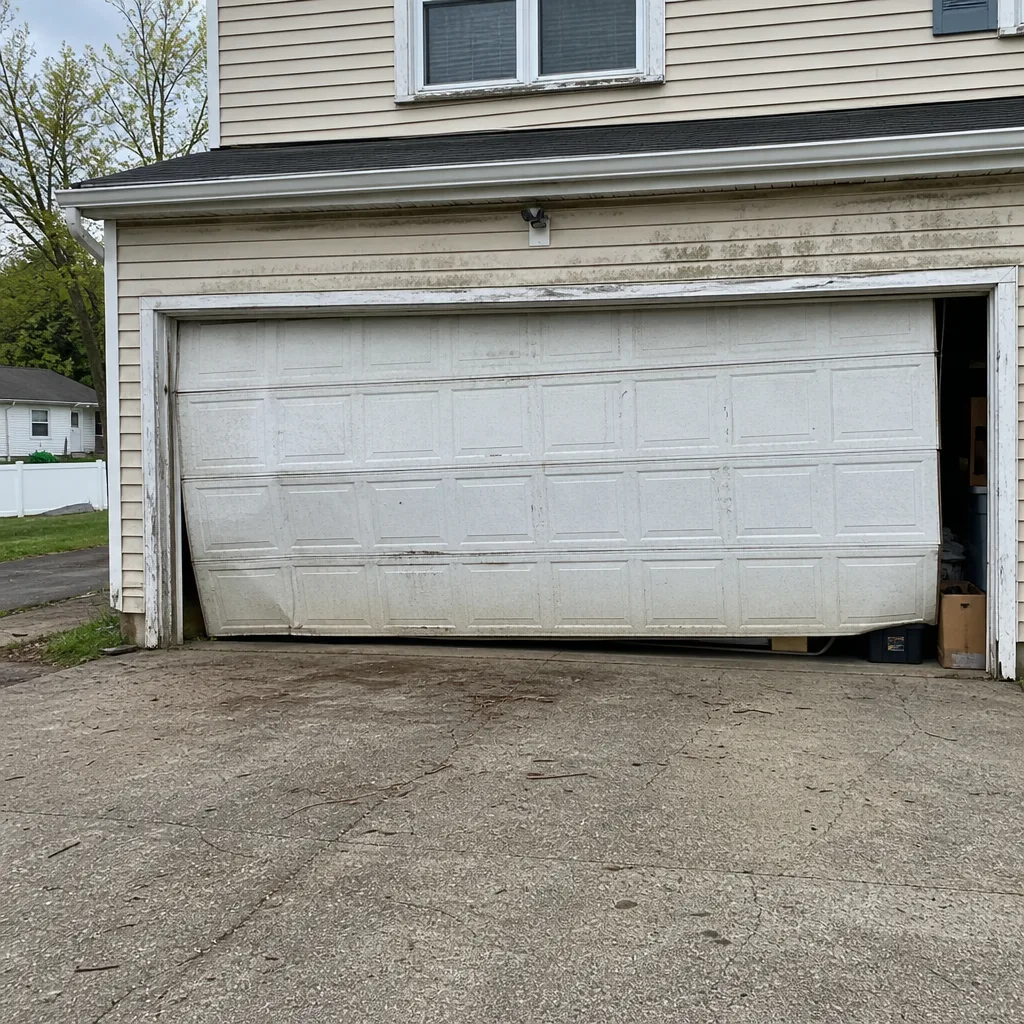 Before
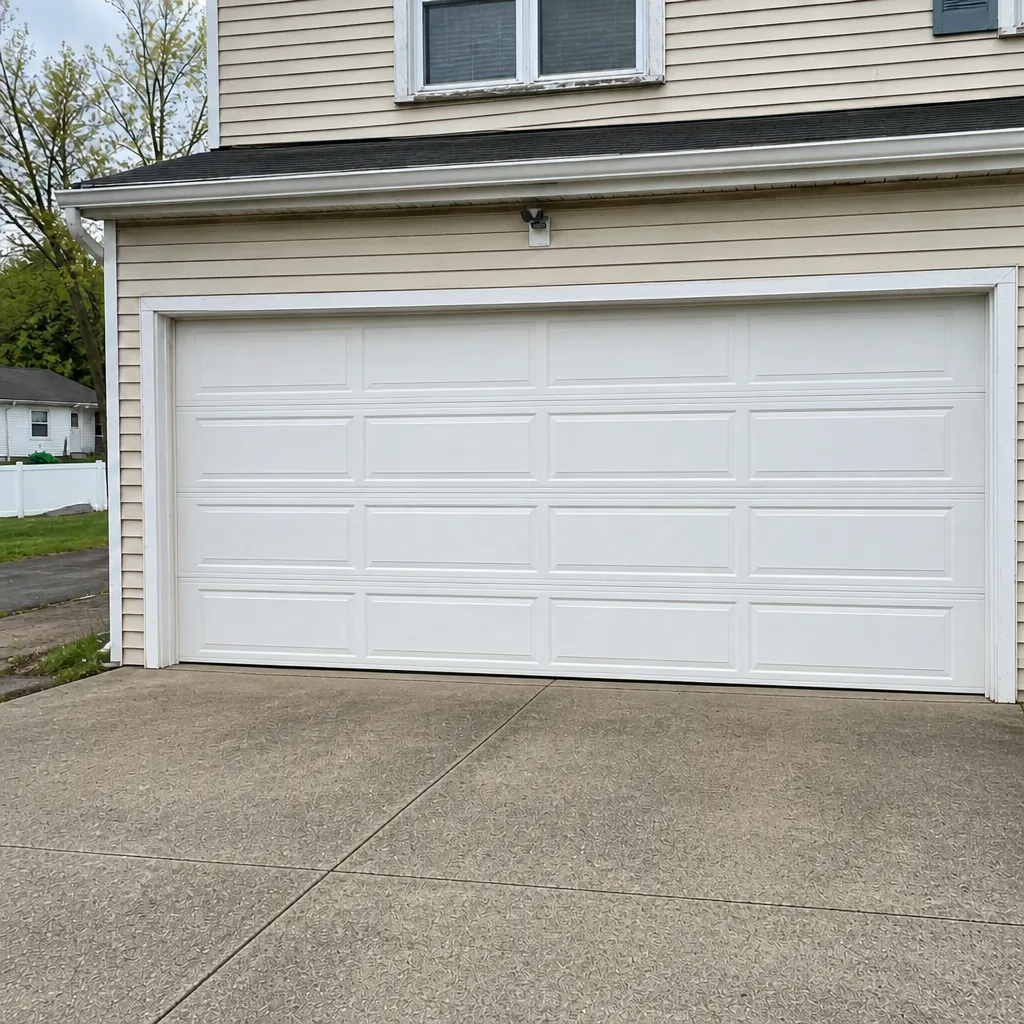 After
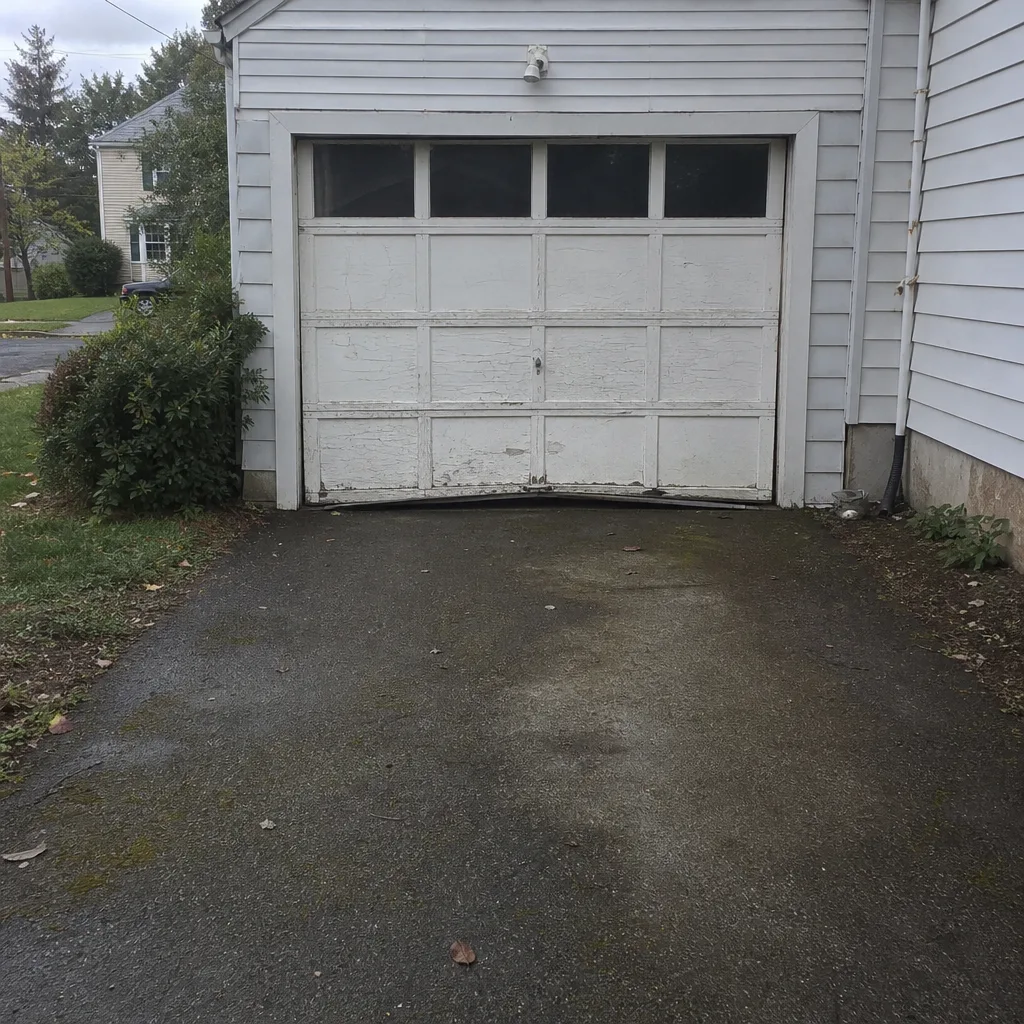 Before
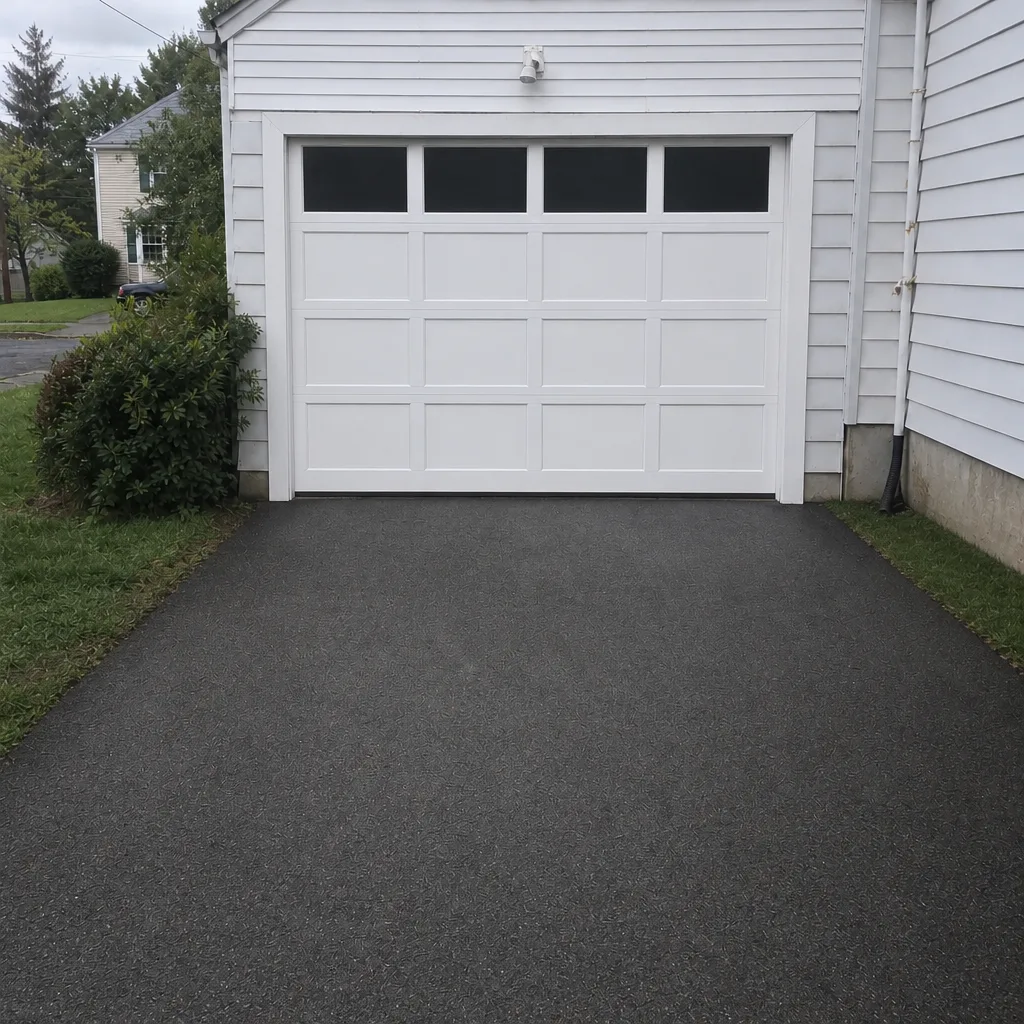 After
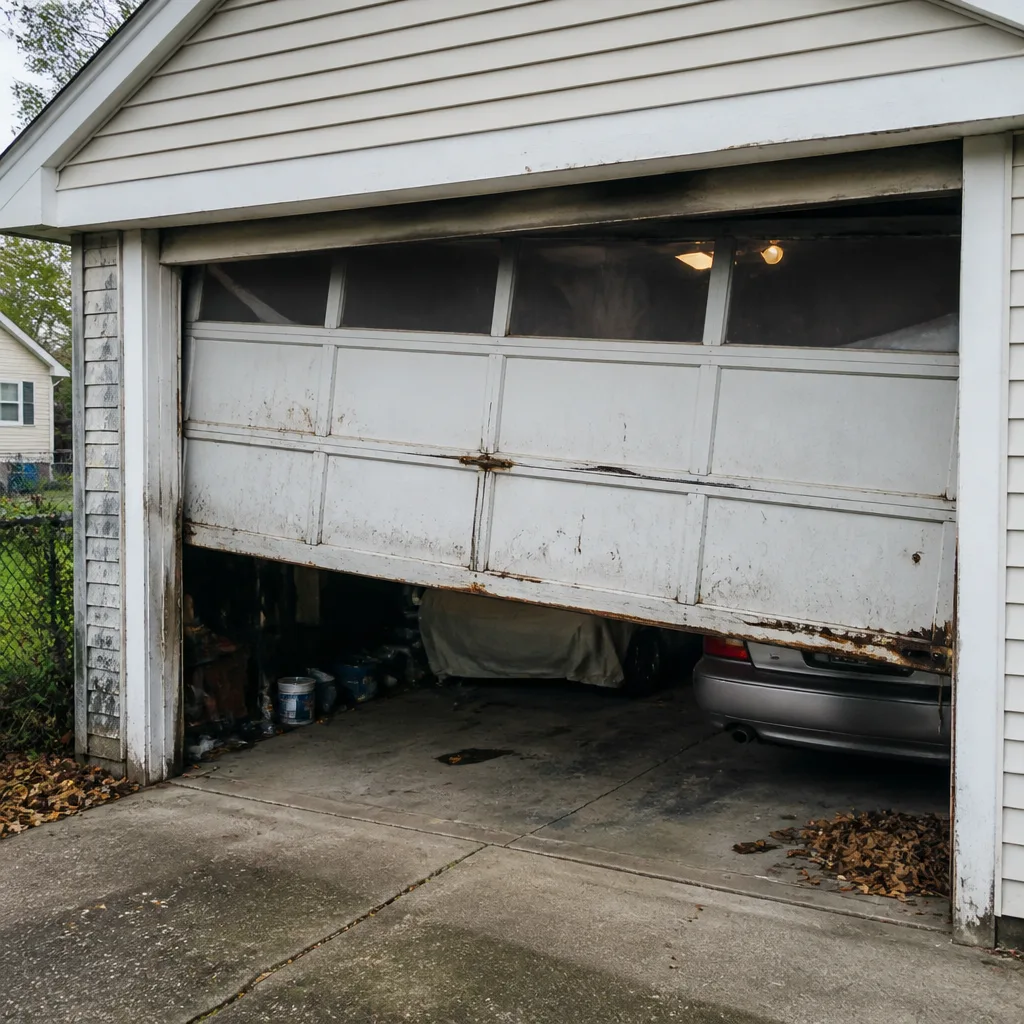 Before
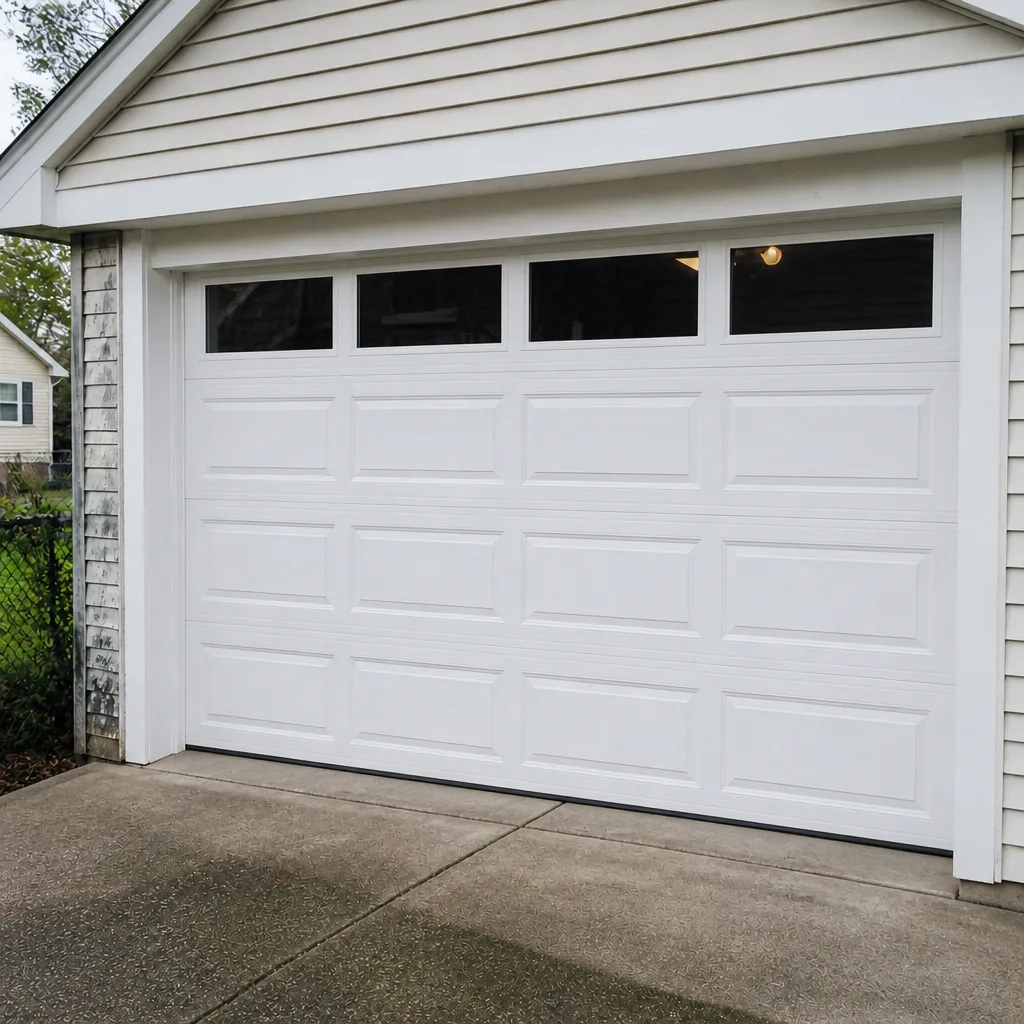 After
When to Call a Professional
Spring evaluation is the clearest one: if the door feels out of balance, sags when half-open, bangs on close, or a spring looks visually worn or damaged, call before the next temperature swing. Cables and bottom brackets that show fraying, corrosion, or slack need a specialist. Openers that hesitate, reverse repeatedly, or fail to run through a full cycle should be diagnosed rather than adjusted. And anything that makes the door unsafe to operate – won’t close, won’t stay up, comes off the track – is a call-now situation, not a wait-and-see.
New Britain Garage Door Repair Pros offers free estimates in New Britain – call (855) 959-3390. We work on LiftMaster, Chamberlain, Genie, Clopay, Amarr, Wayne Dalton, Craftsman, and Raynor equipment, so the technician arrives already familiar with your hardware. Our technicians have up to 13 years of experience, and we quote and agree the price with you before any work starts, so there are no surprises when the invoice comes. Emergency service is available for doors that block a car or compromise your home’s security.
Frequently Asked Questions
Twice a year works well for this climate – once in fall before the first freeze and once in spring after the winter. Your door cycles through real temperature extremes in both directions, so fall catches marginal components before cold exposes them and spring catches the wear the winter left behind. Between professional visits, the month-by-month calendar in this guide covers the routine visual checks you can do yourself.
Almost always freeze-thaw at the threshold. Water gets past the weather seal, pools under the door, and freezes into an ice ridge that the door can’t close past. The door hits the ice, the opener sees resistance, and it reverses. Clear the threshold, check the seal compression, and make sure water drains away from the opening rather than toward it. If the door still binds, the down-limit or the seal itself may need attention.
Yes. A general-purpose lubricant thickens in cold weather, which makes the door sluggish and puts extra load on the springs and opener. Swap to a cold-rated lubricant on hinges, rollers, and tracks before the first freeze. It’s one of the easiest fall prep items and one of the most effective.
Usually it starts as cosmetic seasonal movement and is normal. It becomes a problem when the door starts binding in the track, sections no longer sit flush, or the wood pulls away from hinges and brackets. If the door runs fine in fall and binds in summer, the swelling has become structural and needs a professional look. Don’t keep running a binding door – it wears the hardware faster.
They don’t create the fatigue – they expose it. A spring at the end of its cycle life can function fine in mild weather and fail the first week temperatures drop into the deep cold. Thermal contraction changes how metal behaves and adds load. That’s why fall is the right time to check spring balance: you catch a marginal spring before winter pushes it over the edge. Never adjust or replace springs yourself – they’re under extreme tension and require a trained specialist.
For the seasonal checks themselves, no. For diagnosis and parts, yes. A technician who already services LiftMaster, Chamberlain, Genie, Clopay, Amarr, Wayne Dalton, Craftsman, and Raynor arrives with brand-specific knowledge and hardware, so there’s less guesswork and fewer return visits. If you know your brand, tell us when you call – it helps us get the right parts and right technician on the job.
The Bottom Line
Seasonal garage door care in New Britain comes down to one principle: find the marginal parts before the worst temperature of the year does. Fall is your best window to check spring balance, swap to cold-rated lubricant, and confirm the weather seal still compresses. Winter is when freeze-thaw strains the threshold, so keep it clear and watch for binding. Spring is when you read the wear the winter left on cables, rollers, and bottom brackets. Summer is when wood doors tell you whether their swelling is cosmetic or structural. Sticking to the month-by-month calendar keeps small issues from becoming expensive ones and keeps you ahead of the cold-weather demand.
If any of this year’s seasonal checks turned up a problem, or you’d rather have a specialist look before the next temperature swing, call New Britain Garage Door Repair Pros at (855) 959-3390 for a free estimate. We handle garage door repair, garage door opener repair, garage door spring repair, and full installation, and we’re back at New Britain Garage Door Repair Pros for anything your door needs this season.
Written by the team at New Britain Garage Door Repair Pros.