Last updated November 21, 2026
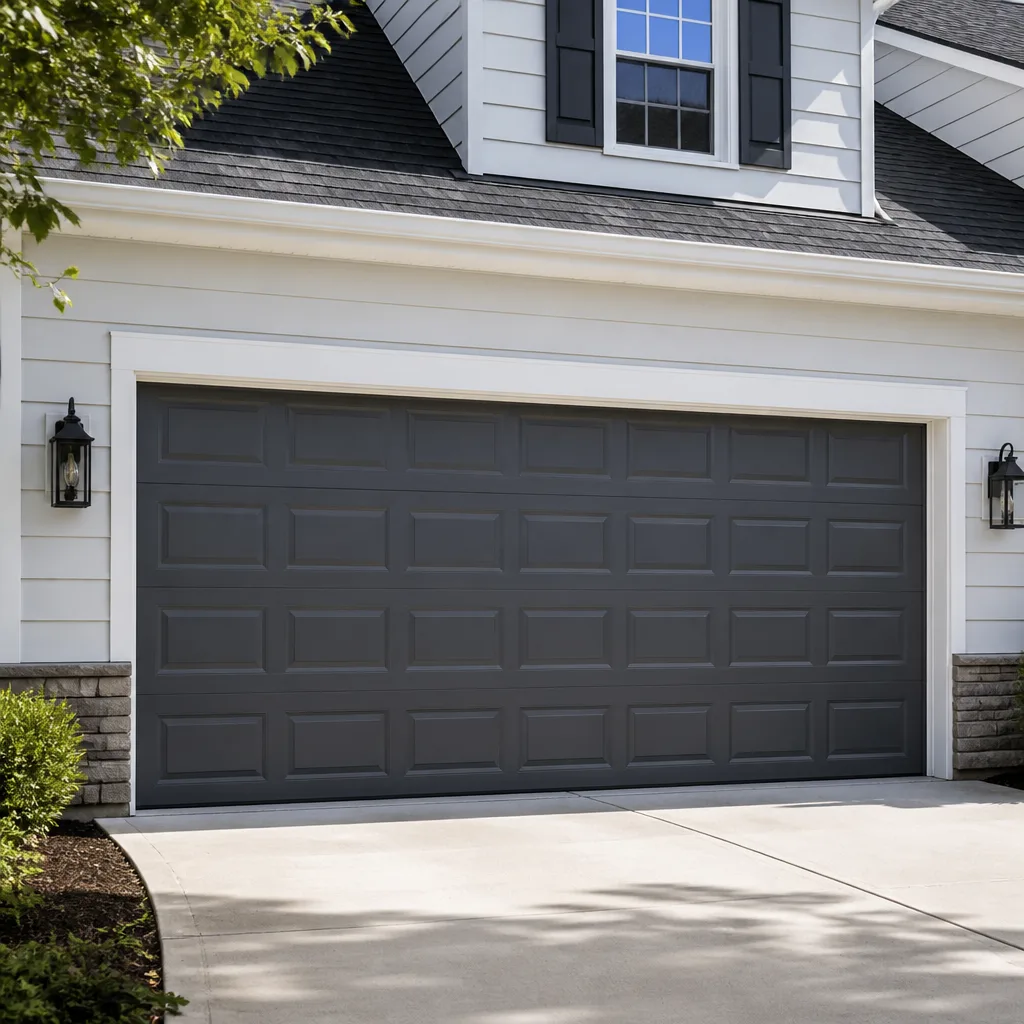 Raised-panel steel
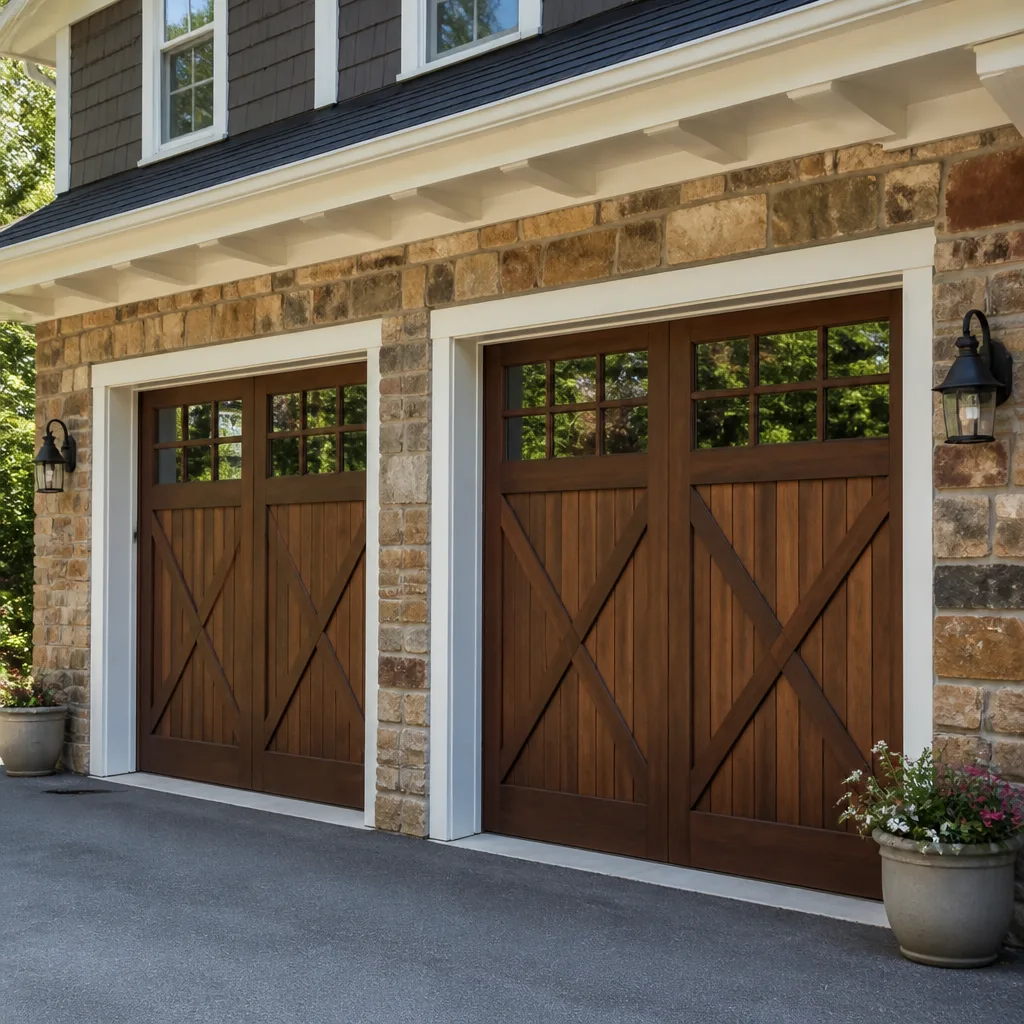 Carriage house
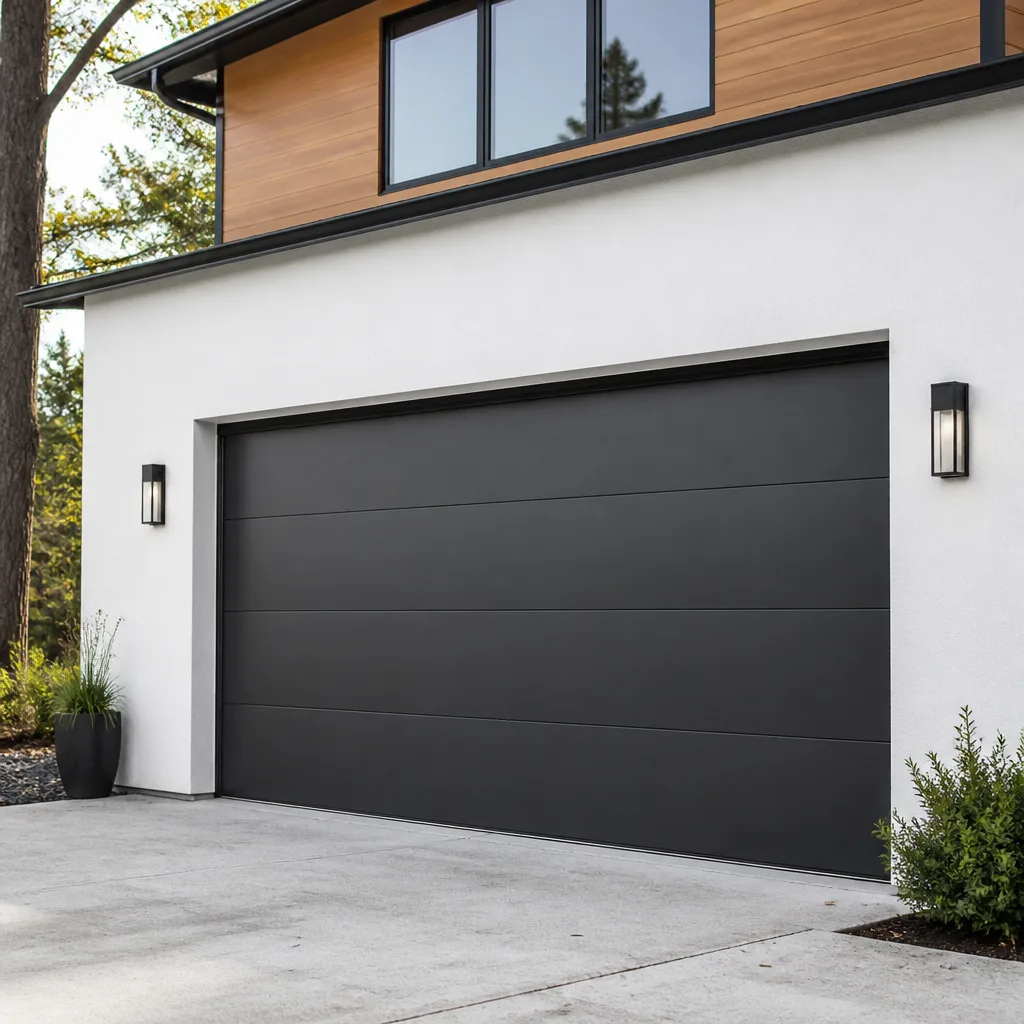 Modern flush
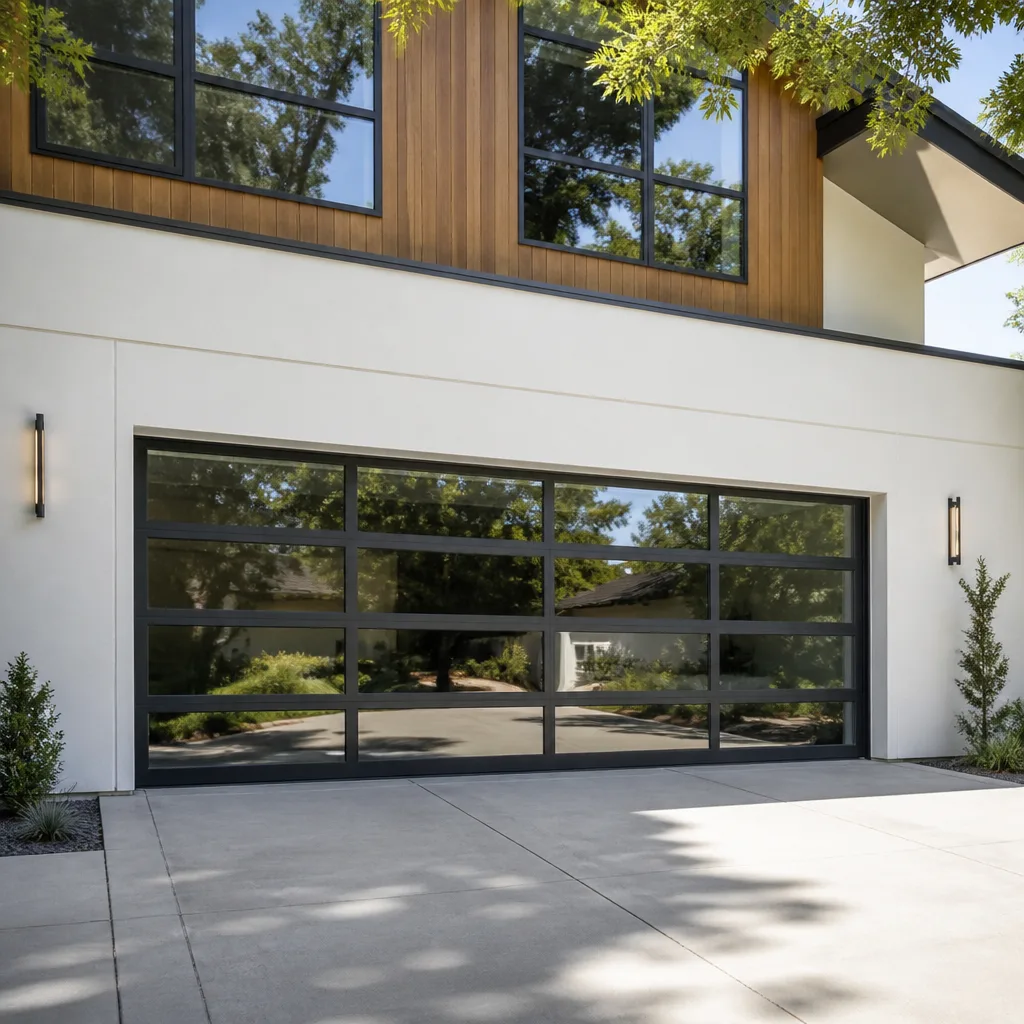 Full-view glass
 LiftMaster openers
 Chamberlain openers
Full 25-point door and opener safety check with every visit - springs, cables, rollers, tracks, and your LiftMaster or Chamberlain opener included
You get a price before we start. It does not change when the pro arrives.
Get your free estimateGarage Door Permits, Codes & Inspections in New Britain, CT: What You Need to Know
The most expensive permit problem with a garage door usually isn’t the permit fee. It’s the discovery. A homeowner replaces a door without pulling a permit, sells the house a few years later, and a buyer’s inspector flags the work as unpermitted. Suddenly the closing table turns into a negotiation, and the seller is writing a credit or paying for a retroactive inspection on someone else’s schedule. Connecticut’s rules for garage door work aren’t a simple yes or no. The trigger is whether the job changes the structure – framing, a header, new electrical rough-in – not whether a door is involved. Here’s how to read that line correctly in New Britain, and what to do either way.
Quick Answer
In New Britain, CT, a straight like-for-like garage door replacement generally doesn’t need a building permit because no structural, framing or electrical work is involved. You do need a permit when the job changes the opening’s structure – widening or raising it, cutting or modifying a header, altering framing – or when new electrical work is added for an opener where none existed. When in doubt, call New Britain’s building department and describe the scope; it takes a few minutes and settles the question definitively.
Styles & brands we work with
- Raised-panel steel
- Carriage house
- Modern flush
- Full-view glass
- LiftMaster openers
- Chamberlain openers
Table of Contents
- What Actually Triggers a Garage Door Permit in Connecticut?
- What Does “Like-for-Like Replacement” Mean in CT Code Terms?
- How the New Britain Permit Process Works, Step by Step
- Openers, Electrical Rough-In and the Permit Trap
- What an Inspector Actually Looks At
- How Unpermitted Garage Work Surfaces at Resale
- Why New Britain Weather and Housing Shape These Jobs
- Who Pulls the Permit – and What to Ask Before Work Starts
What Actually Triggers a Garage Door Permit in Connecticut?
A garage door permit is triggered by the scope of structural or electrical change, not by the door itself. Swapping a door and its track hardware into the same opening, with the same dimensions and the same mounting points, is maintenance. Changing the opening, the framing around it, or adding a circuit for an opener is construction. That distinction is the whole game, and it’s where most homeowners get confused, because contractors and inspectors sometimes describe the same job in different words.
Connecticut’s State Building Code treats residential alterations through the same lens as any other structural work. The relevant question is whether the work affects the structural envelope, the building’s electrical system, or the building’s means of egress and safety systems. For a garage door, here’s the practical breakdown:
- Permit usually not required: replacing a sectional door of the same size, replacing torsion or extension springs, replacing rollers, hinges, cables, or the bottom seal, replacing an opener with a unit of the same type on the existing circuit.
- Permit usually required: widening or raising the opening, cutting or sistering a header, modifying or replacing the framing above or beside the opening, adding a new electrical circuit or outlet for an opener where none exists, converting a manual door to an automatic one.
- Permit sometimes required: changing door type in a way that alters header loads (for example, switching from a lightweight door to a much heavier custom door), or adding a new door opening to a wall that currently has none.
If you’re in a New Britain home with an older detached garage, the rules still apply, and the building department is the authority for your specific situation. Nothing here replaces their judgment on your scope. What this guide gives you is the framework so you can ask the right question the first time.
What Does “Like-for-Like Replacement” Mean in CT Code Terms?
“Like-for-like” means the new door occupies the same opening, weighs within the range the existing header and track system were built for, and doesn’t require new structural work or new electrical service. It’s the phrase that exempts most garage door replacement work in New Britain from a permit, and it gets misused a lot. A larger door isn’t like-for-like. A heavier custom wood door on a header sized for a lightweight steel door isn’t like-for-like. A new opener on a new circuit isn’t like-for-like.
Here’s how to test whether your job is genuinely like-for-like:
- Opening dimensions unchanged. The new door fits the same width and height, with the same headroom and backroom requirements.
- No framing, header or track-mount changes. Track brackets, jamb brackets and spring anchors land on the same points or equivalent solid material.
- Door weight in the same class. The original springs and hardware were engineered for a certain door weight; a like-for-like swap keeps you in that range.
- No new electrical work. If an opener already existed on that circuit, replacing the opener is not new electrical.
- No change to the building envelope or egress. You’re not altering the wall, the roofline or a required separation between garage and living space.
If all five hold, the job is generally maintenance. If any one of them fails, plan to talk to New Britain’s building department before the work is ordered. This is exactly the conversation we have with customers before quoting a replacement: if the door is going into the same hole, on the same track layout, without new circuits, we tell them plainly they likely don’t need a permit and recommend they confirm with the city. If the scope changes, we tell them to expect a permit and to plan for the review time. Either way, the price is quoted and agreed before any work starts, so the permit question doesn’t ambush anyone mid-job.
How the New Britain Permit Process Works, Step by Step
The New Britain building department handles residential permit applications, plan review and inspections for the city. The exact forms and fees are set by the city and can change, so the sequence below is the general shape of the process – confirm current requirements directly with the building department before you file. For a garage door job with structural or electrical scope, it typically runs like this:
- Describe the scope to the building department. Call or visit and explain exactly what’s changing: opening size, header work, electrical additions. Ask whether a permit is required and what they want to see for your specific job.
- Assemble the application. A residential alteration application typically needs the property address, a description of the work, the contractor’s information, and for structural changes, drawings or a plan showing the new opening and header. A licensed contractor can often file as the applicant.
- Plan review. Simple residential alterations usually move through review in a reasonable window, but the actual timeline depends on the city’s current workload and the completeness of what you submit. Incomplete submissions are the main cause of delay.
- Permit issued, work performed. Once issued, the work must match the approved scope. Changes mid-job require going back to the department.
- Inspections scheduled. Depending on scope, expect a framing inspection before the door goes on, an electrical inspection if new circuits were added, and a final inspection once everything is installed and operating.
- Permit closed. After the final inspection passes, the permit is closed and the record is on file with the city – which is exactly what a future buyer’s inspector will look for.
A small structural package – enlarging an opening, replacing a header – typically runs a few weeks from a complete submission to a final inspection, but that’s a general estimate, not a promise from the city. If your job is genuinely like-for-like, the whole step list collapses into nothing: no application, no review, no inspection, just work and a receipt.
Openers, Electrical Rough-In and the Permit Trap
Adding an opener to a garage that never had one is one of the most common permit traps in New Britain. Not because the opener itself is complicated, but because wiring it means adding an outlet or circuit, and that’s electrical work with its own permit and inspection requirement under Connecticut rules. A homeowner who thinks “I’m just replacing a door” can end up with unpermitted electrical work on the record.
The distinction is straightforward once you see it:
- Opener replacement on an existing circuit: maintenance. Same power source, same mounting, same safety setup. No electrical permit for the circuit, because no circuit work happens.
- New opener, existing outlet in place: a judgment call. If the outlet is already there and legal, replacing a manual door with an automated one is sometimes treated as an equipment install; confirm with the building department, because some towns want to see it.
- New opener, new outlet or new circuit: electrical permit, inspection, the works. This is not something to skip or defer.
Brand doesn’t change the rule. Whether the garage is getting a LiftMaster or a Craftsman, the electrical question is about wiring, not about the unit. We work on the major brands – LiftMaster, Chamberlain, Genie, Clopay, Amarr, Wayne Dalton, Craftsman, and Raynor – and we’ve seen plenty of installs where the homeowner bought a new opener before realizing the wiring wasn’t there. If you’re planning an opener install, sort out the electrical question first. If you already have an opener and it’s misbehaving, that’s usually a straightforward garage door opener repair and not a permit situation.
One safety note while we’re on electrical: never wire an opener yourself. Opener circuits involve line voltage and a safety reversal system that has to work correctly – a door that closes on a child is a real hazard. Have a licensed electrician handle any new wiring, and have the opener’s safety reversal tested before anyone uses the door.
What an Inspector Actually Looks At
An inspector checking a permitted garage door job looks at whether the structure and the safety systems are correct, not whether the door is pretty. If your job involves header or framing work, that’s the part that gets the most attention, because it’s the part that holds the building up. Here’s what typically comes under review:
- Header and framing. The header above the opening has to be sized and supported correctly for the opening width and the load above it. Trimmer studs, king studs and any hangers have to match the approved plan.
- Fastening and attachment. The door’s track brackets, spring anchor plate and opener mounting have to be attached to solid framing, not to sheathing or drywall.
- Electrical work for the opener. If a circuit was added, the inspector checks the wiring, box, grounding and the working relationship between the opener and the door. The safety reversal system and the photo-eye setup are the parts that get tested.
- Door operation and balance. A permitted install gets operated. The door should open and close smoothly, hold position mid-travel, and reverse correctly.
- Fire separation between garage and house. In homes where the garage is attached, the separation between garage and living space matters, and any work touching that assembly gets looked at.
- Packaging and record. The permit itself, the approved plans and the final inspection sign-off, all of which stay in the property record.
In our experience, failed garage door inspections almost always come down to three things: framing that didn’t match the approved plan, an opener mounted to something that isn’t structural, or electrical work done without a permit that the inspector found on a walkthrough. All three are avoidable with a five-minute conversation before the work starts.
How Unpermitted Garage Work Surfaces at Resale
Unpermitted garage work tends to surface at resale, and it surfaces through the buyer’s inspection, not through the city. A home inspector touring a house notes the garage door, opener, and any obvious framing changes. When the buyer’s attorney or the lender’s underwriter compares those observations to the city’s permit record, the missing permit shows up. That’s the moment a clean sale turns into a negotiation over a credit, a retroactive permit, or a repair.
What happens next depends on the scope and the town:
- Disclosure. Connecticut sellers are generally required to disclose known problems with the property. If you know work was done without a permit, that’s the kind of thing that should come up before the buyer’s inspector finds it.
- Buyer renegotiation. The buyer can ask for a price reduction, a credit at closing, or for the seller to obtain the permit and pass inspection before closing. Any of those can delay or derail the sale.
- Retroactive permit. The seller can apply for a permit after the fact. In some cases the city can require opening up finishes to inspect the work, which is expensive and slow.
- Remediation. If the work doesn’t meet code once it’s inspected, it has to be corrected, and corrections on structural work mean redoing framing – not cheap.
The clean way to avoid this is to keep the paperwork. If you did a like-for-like replacement, keep the invoice and the door spec sheet so you can show a future buyer exactly what was done. If you did structural or electrical work, keep the permit number and the final inspection sign-off in your closing file. Both cost nothing and end the argument instantly.
Why New Britain Weather and Housing Shape These Jobs
New Britain’s climate is a real factor in how garage door work gets done here, and it plays into the permit question more than most people realize. Central Connecticut sees hard freezes, ice, snow load, and hot humid summers, and that seasonal swing puts stress on the door, the springs and the framing around the opening. Over many winters, freeze-thaw cycles work on the door’s bottom seal, the concrete at the opening, and the fasteners holding the track brackets. None of that is exotic – it’s the normal wear of a door in this part of the state.
The result is that New Britain garage door work often starts as a repair and uncovers something bigger:
- Rotted or split framing at the opening, found when a track bracket pulls loose after years of freeze-thaw. Fixing that is structural work, which may trigger a permit.
- Settled or cracked concrete at the opening, which can throw the door out of alignment and cause repeated spring failures. Fixing the concrete is outside the door’s scope but affects the job.
- Older homes with detached or semi-detached garages in New Britain, where the garage was built to a code era of its own and the header and framing may not match current standards. If you’re touching that structure, the building department will want to see the plan.
- Heavy use in winter. A door that gets opened four times a day in summer gets opened a lot more when it’s cold, and that shows up in spring and opener wear.
Our advice is the same in every New Britain neighborhood: if the door itself is failing, that’s a garage door repair. If the springs are the problem, that’s a spring job and we need to talk about it directly. If the framing or the opening is involved, that’s when the permit question lands on the table, and we tell you to call the building department before anyone orders parts. If it’s a full replacement with a widened opening, we’re not going to encourage you to skip the permit to save time – we’ll help you plan around it.
Springs deserve a direct word here because they’re the most dangerous part of any door. Torsion and extension springs operate under extreme tension, and a spring under load can cause serious injury in an instant if you try to work on it yourself. This is not a DIY job, and we won’t give step-by-step instructions for it. If a spring is broken, the door is unsafe to operate and should stay closed until a trained technician handles it. That’s a garage door spring repair call, and it’s one we’d rather you make today than tomorrow.
Who Pulls the Permit – and What to Ask Before Work Starts
When a permit is required, the licensed contractor doing the work usually pulls it, but the homeowner can pull it in some cases too. The safer route on structural work is to let the contractor carry the permit, because the contractor is the one who has to be there for the inspection. Either way, you want the permit question settled before a single piece of hardware comes off the door. Here’s what to ask before work starts:
- “Will this job need a permit?” Ask the contractor first, then verify with New Britain’s building department. If the answers don’t match, go with the building department.
- “Who pulls it and who’s on site for the inspection?” The permit holder should be the one answering inspection questions, not the homeowner.
- “What’s the written estimate, itemized?” The price should be quoted and agreed before work starts, with the permit fee and inspection timing laid out clearly if a permit is needed.
- “Can I see your credentials and insurance?” The local pro doing the work is licensed and insured as Connecticut requires. Ask for the documents and read them.
- “What’s the final price if the inspection finds something?” Ask explicitly. If the scope changes, you want a written change order, not a surprise invoice.
- “What do I get at the end?” Closed permit, final inspection sign-off, and the door’s spec sheet, so your record is clean for resale.
The specialist side of this is not complicated. A garage door specialist works on LiftMaster, Chamberlain, Genie, Clopay, Amarr, Wayne Dalton, Craftsman and Raynor every day and knows the hardware in your garage before arriving. A generalist guesses. On a permit job, guessing is expensive. We’d rather tell you up front whether you’re looking at a service call, a replacement, or a permit package than have you find out from an inspector years down the road. From a stuck opener to a full new installation, that’s the whole job in one call – you can reach us and get a free estimate in New Britain when you’re ready. If you’re just starting to figure out what’s wrong, the New Britain Garage Door Repair Pros pages cover each service in detail.
Common Mistakes to Avoid
- Assuming “it’s just a door” means no permit, period. Dropping a larger door into a widened opening is not maintenance – it’s structural work, and the builder’s field notes in New Britain will confirm whether the header was re-engineered. Know which side of the line your job is on before you order.
- Skipping the electrical permit on a new opener. Adding an outlet or a circuit for an opener is electrical work. A homeowner who wires it themselves or lets a handyman do it ends up with unpermitted work that shows up at the walkthrough.
- Not asking the building department about your specific scope. A generic “do I need a permit for a garage door” search won’t tell you. New Britain’s building department will answer for your address, your home, your job. It’s a free phone call.
- Letting a permit lapse after the work is done. An open permit is as bad as no permit at resale. The final inspection is what closes the loop, and if you’re not there to schedule it, nobody else will be.
- Not keeping the paperwork on a like-for-like job. If the job didn’t need a permit, keep the invoice and the door spec sheet anyway. It’s the fastest way to answer a buyer’s inspector five years from now.
- Treating spring work as a DIY job. Springs are the highest-risk part of the door, and a mistaken adjustment can cause serious injury. A trained technician handles them; a homeowner should not.
- Shopping a structural job on price alone. The cheapest bid on a header modification is often the one that skips the permit and the inspection. Ask every contractor the same permit question and compare the answers, not just the totals.
See the difference
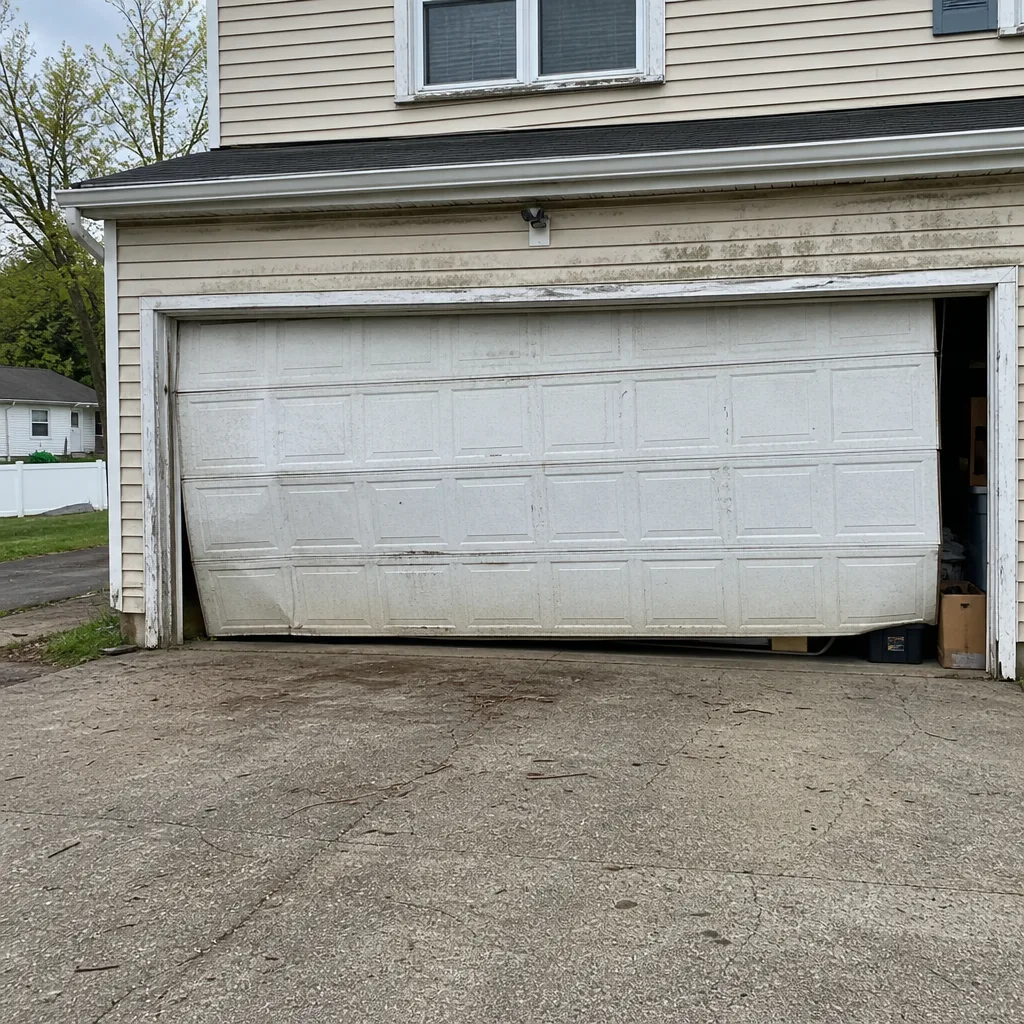 Before
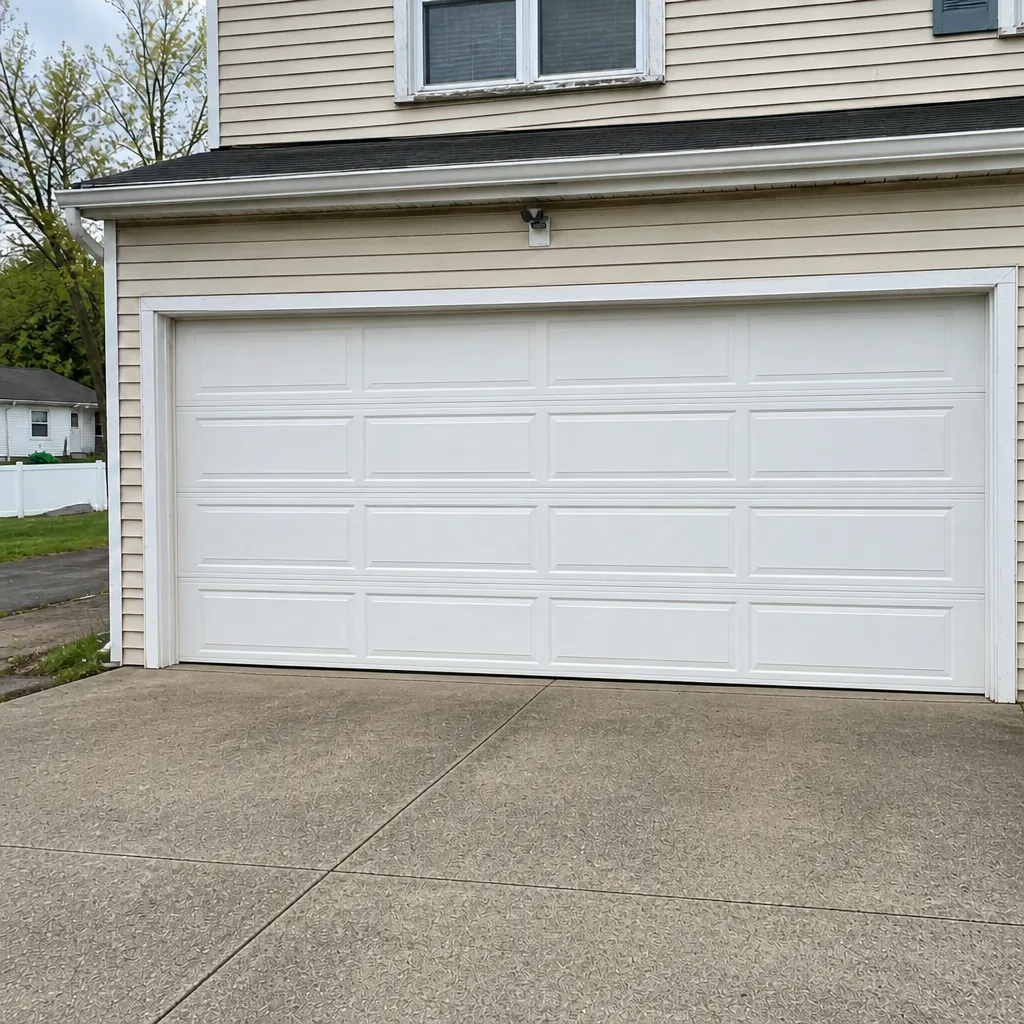 After
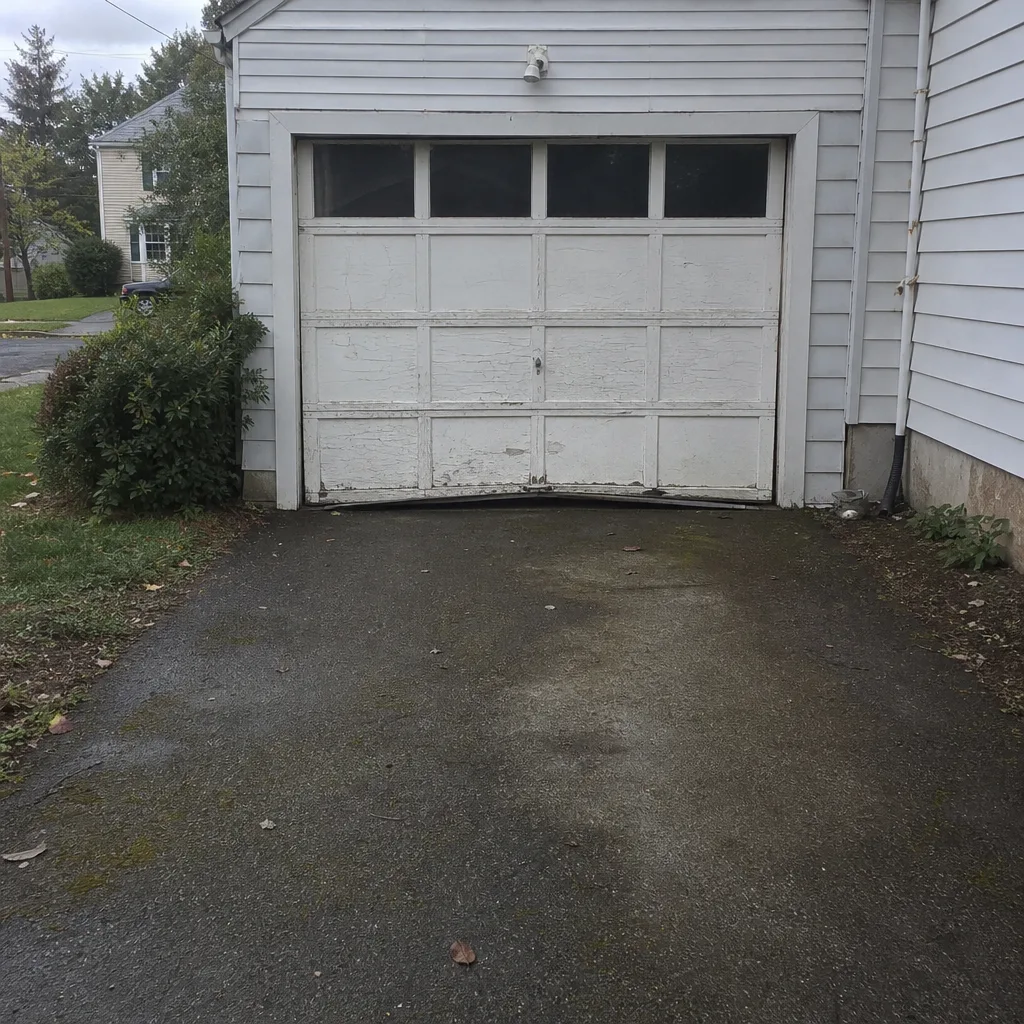 Before
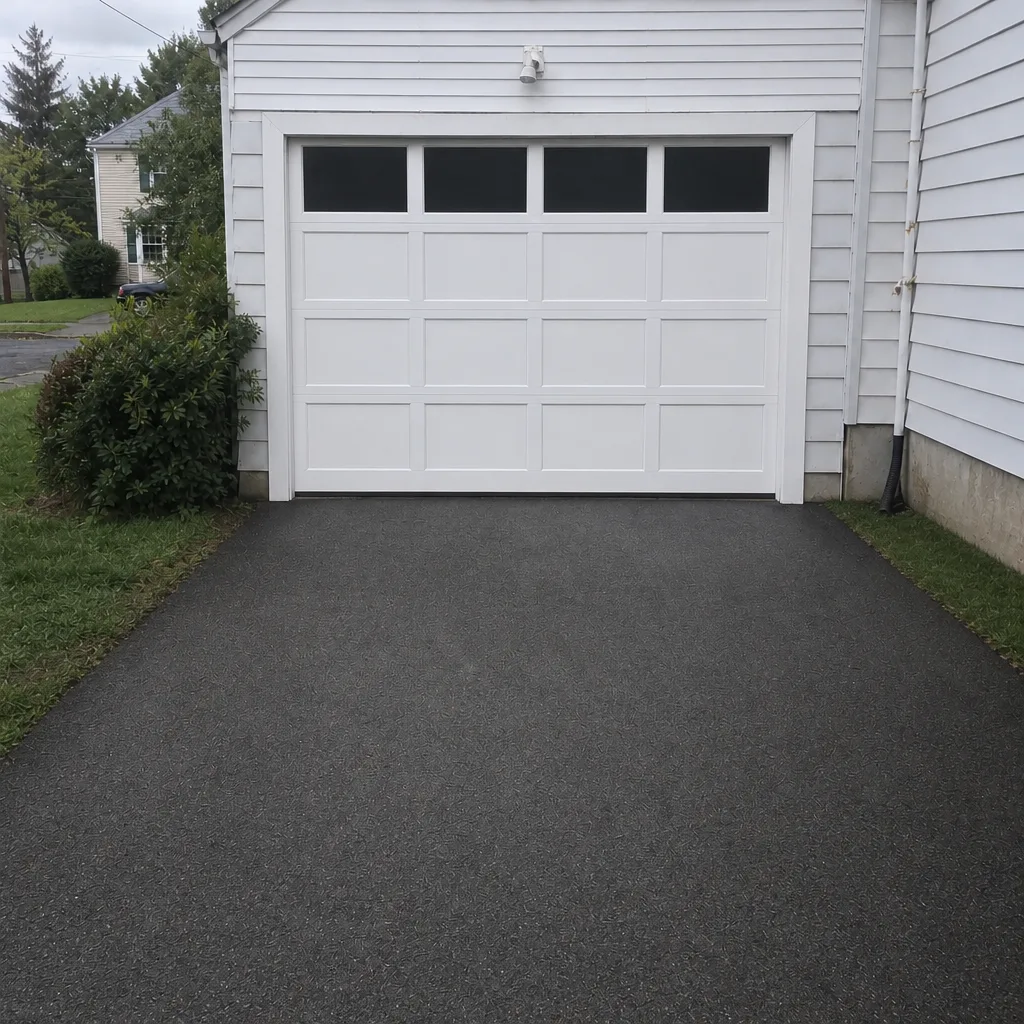 After
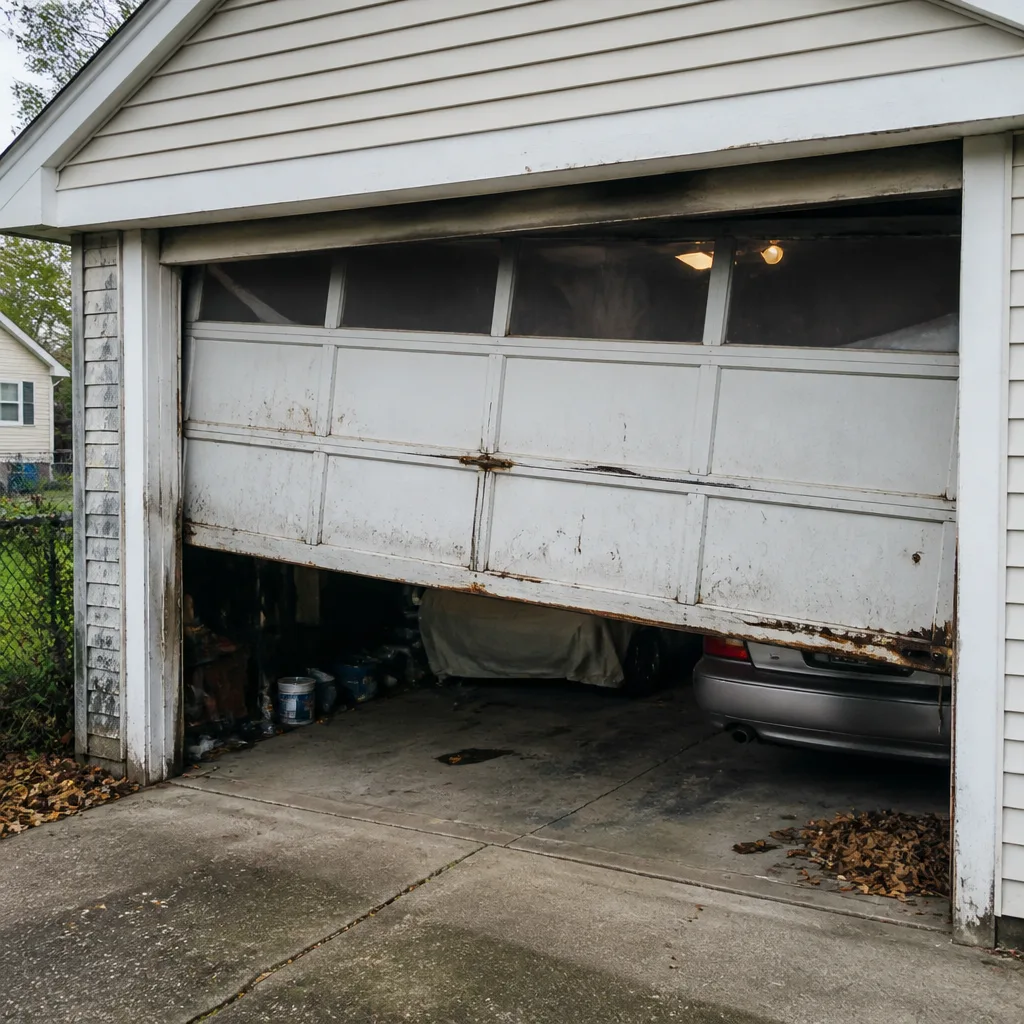 Before
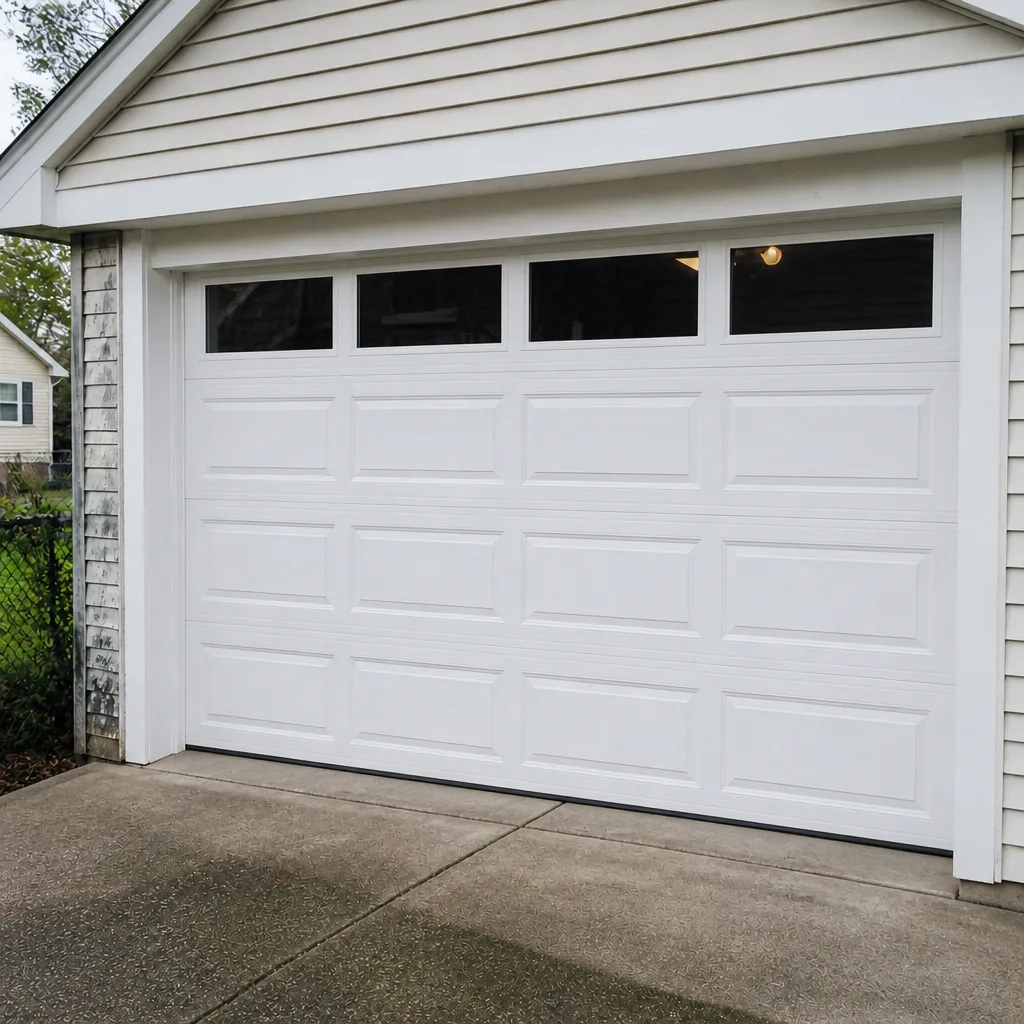 After
When to Call a Professional
Call a professional when the door won’t close completely, when the door is visibly out of line, when a spring is broken, or when the opener runs but the door doesn’t move. Call us when you’re planning a replacement and aren’t sure whether the job is like-for-like or structural, or when you’ve just bought a New Britain home and want to know what’s been done to the garage. Call us when a permit inspection is coming up and you need the framing and the install to be right the first time, and call when the door is stuck with a car behind it – emergency service is a core part of what we do, not an upsell. New Britain Garage Door Repair Pros offers free estimates in New Britain – call (855) 959-3390. Estimates are free, the price is quoted and agreed before work starts, and we’ll tell you plainly whether your job needs a permit before you commit to anything.
Frequently Asked Questions
Usually not, if the new door is a like-for-like replacement in the same opening with no framing, header or electrical changes. You do need one when the job changes the opening’s structure or adds a new electrical circuit for an opener. Call New Britain’s building department with your specific scope and they’ll tell you definitively – and call us for a free estimate while you’re at it.
Only when the job changes the opening, the framing or the header. Swapping a door into an unchanged opening is maintenance; widening or raising the opening, cutting or modifying a header, or replacing framing around the opening is structural work. If you’re not sure which side your job falls on, the building department is the authority, and we’re happy to walk through the scope with you before any work is ordered.
It depends on whether the electrical work is new. Replacing an opener on an existing circuit is usually maintenance and not a permit item. Adding an outlet or a new circuit where none existed is electrical work that needs a permit and inspection. Have a licensed electrician handle any new wiring, and call (855) 959-3390 for a free estimate on the opener side.
You can, but it will likely come up during the buyer’s inspection and can lead to a price reduction, a closing credit, or a request that you obtain a retroactive permit before closing. The clean move is to disclose it early and resolve it before listing. If you’re facing this now, call (855) 959-3390 for a free estimate on correcting anything the inspection flags.
A simple residential alteration typically moves through a few weeks from a complete submission to a final inspection, but that’s a general picture, not a promise – the actual time depends on the city’s workload and the completeness of what you submit. Incomplete submissions cause most delays. If you’re planning a job with permit scope, get the estimate first, then start the permit, and call (855) 959-3390 for a free walkthrough.
An inspector checks the header and framing, the fastening of the track and spring hardware to solid structure, any new electrical work, the door’s balance and safety reversal, and fire separation between an attached garage and the house. They’re verifying the structure and the safety systems, not the cosmetics. If you have a repair coming up that isn’t a permit item, call (855) 959-3390 for a free estimate.
The Bottom Line
Connecticut’s garage door permit rules hinge on scope, not on the door. A like-for-like replacement in the same opening with the same track layout and no new electrical work generally doesn’t need a permit. Widening or raising the opening, cutting or modifying a header, or adding a circuit for a new opener does. The cost of getting the call wrong isn’t the permit fee – it’s the inspection at resale, the negotiation, and the retroactive work. Ask New Britain’s building department about your specific job before the work is ordered, keep the paperwork either way, and let a garage door specialist handle the parts that involve springs, framing or electrical. Springs especially are not a DIY job.
From a stuck opener to a full new installation, we handle the diagnosis, the repair and the replacement in one call, and we work on the major brands so we already know your hardware. New Britain Garage Door Repair Pros offers free estimates in New Britain – call (855) 959-3390. Estimates are free, the price is quoted and agreed before work starts, and we’ll tell you exactly where the permit question lands for your job.
Written by the team at New Britain Garage Door Repair Pros.