Last updated November 21, 2026
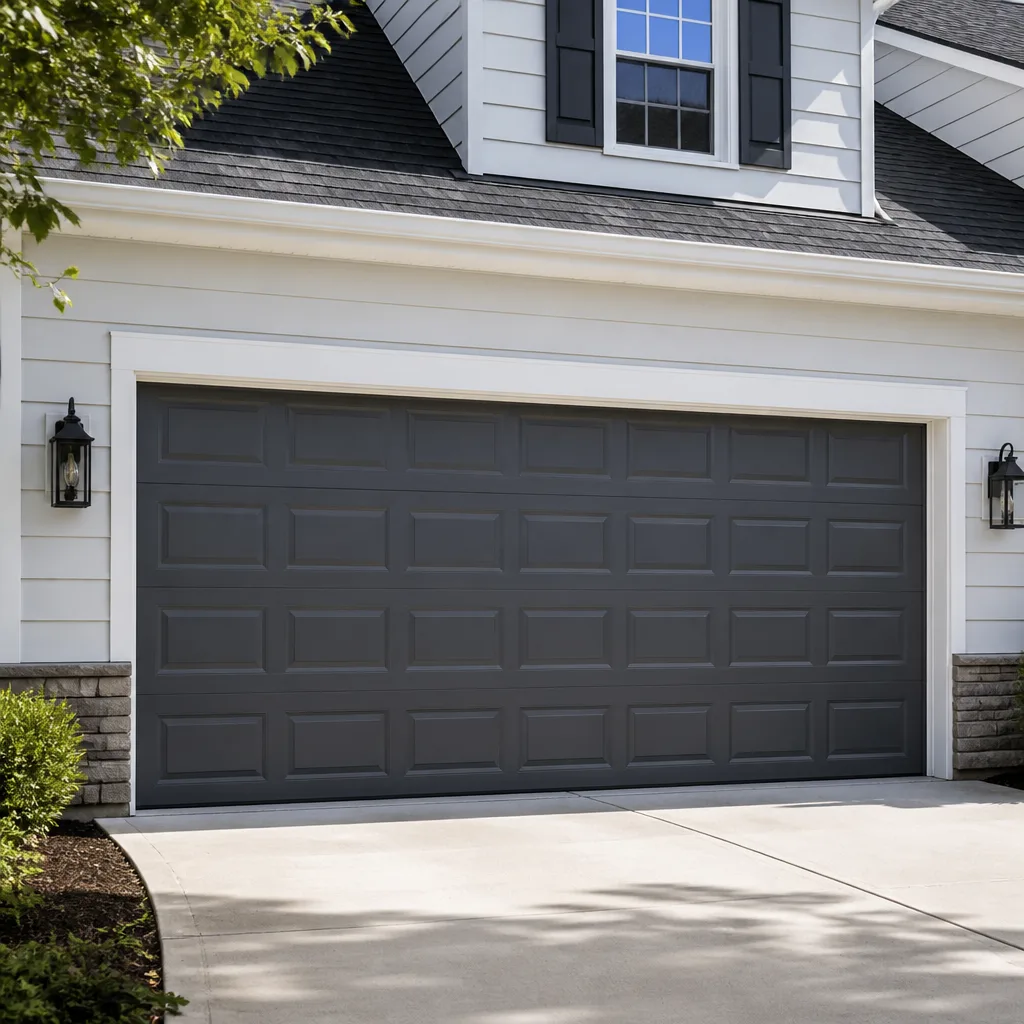 Raised-panel steel
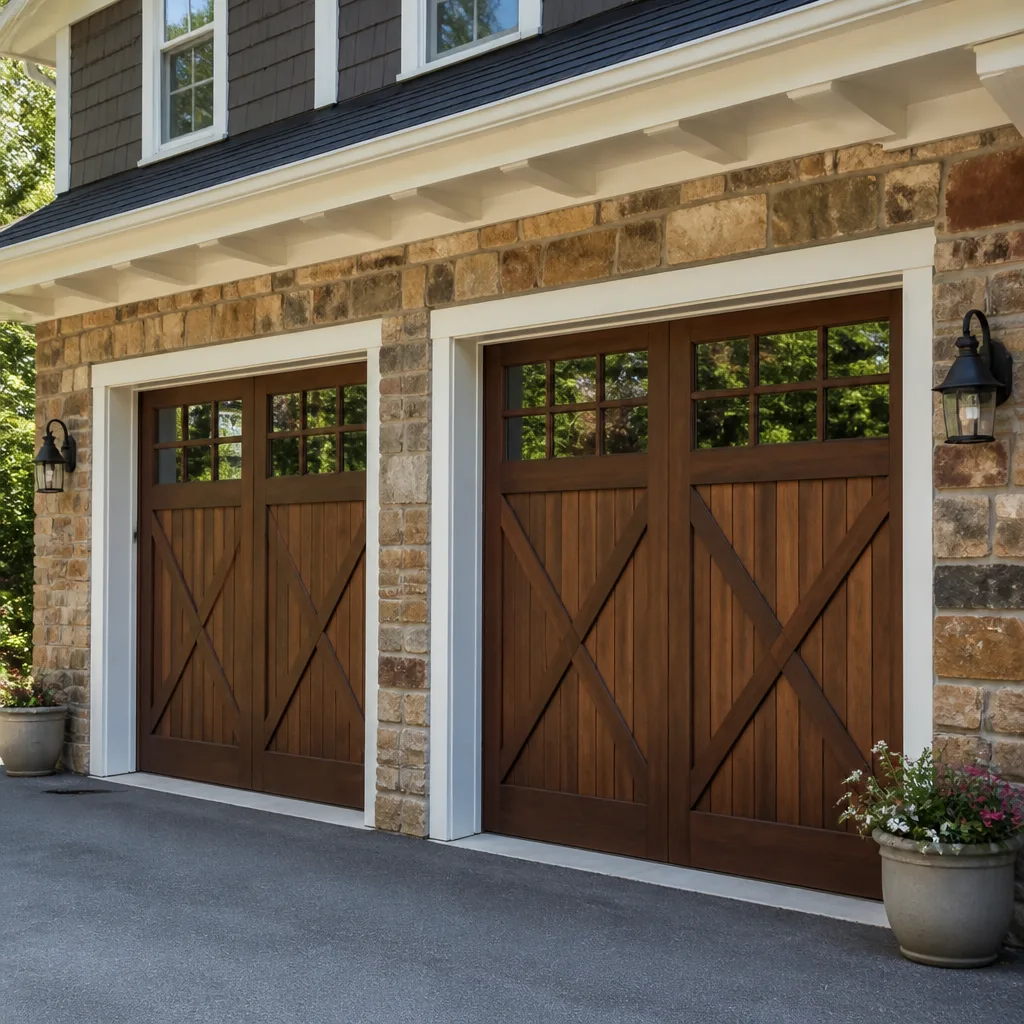 Carriage house
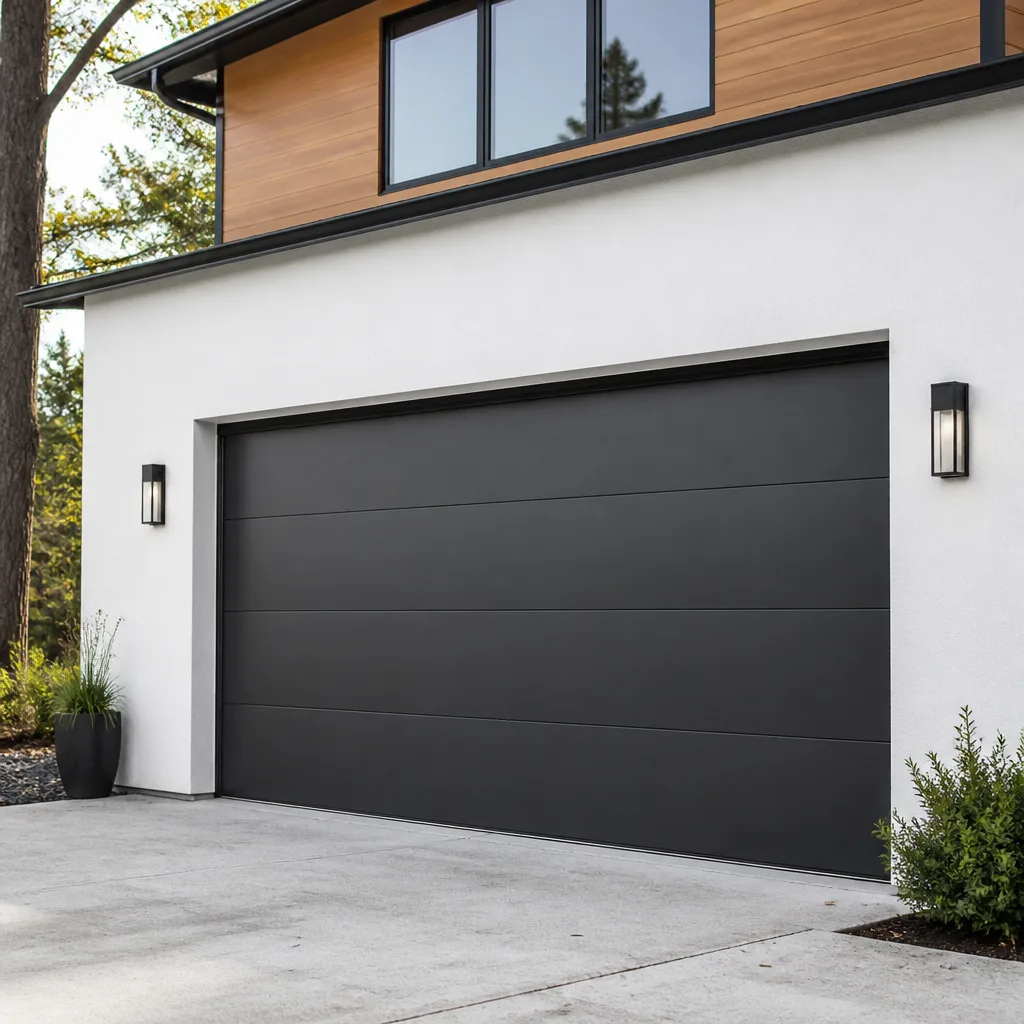 Modern flush
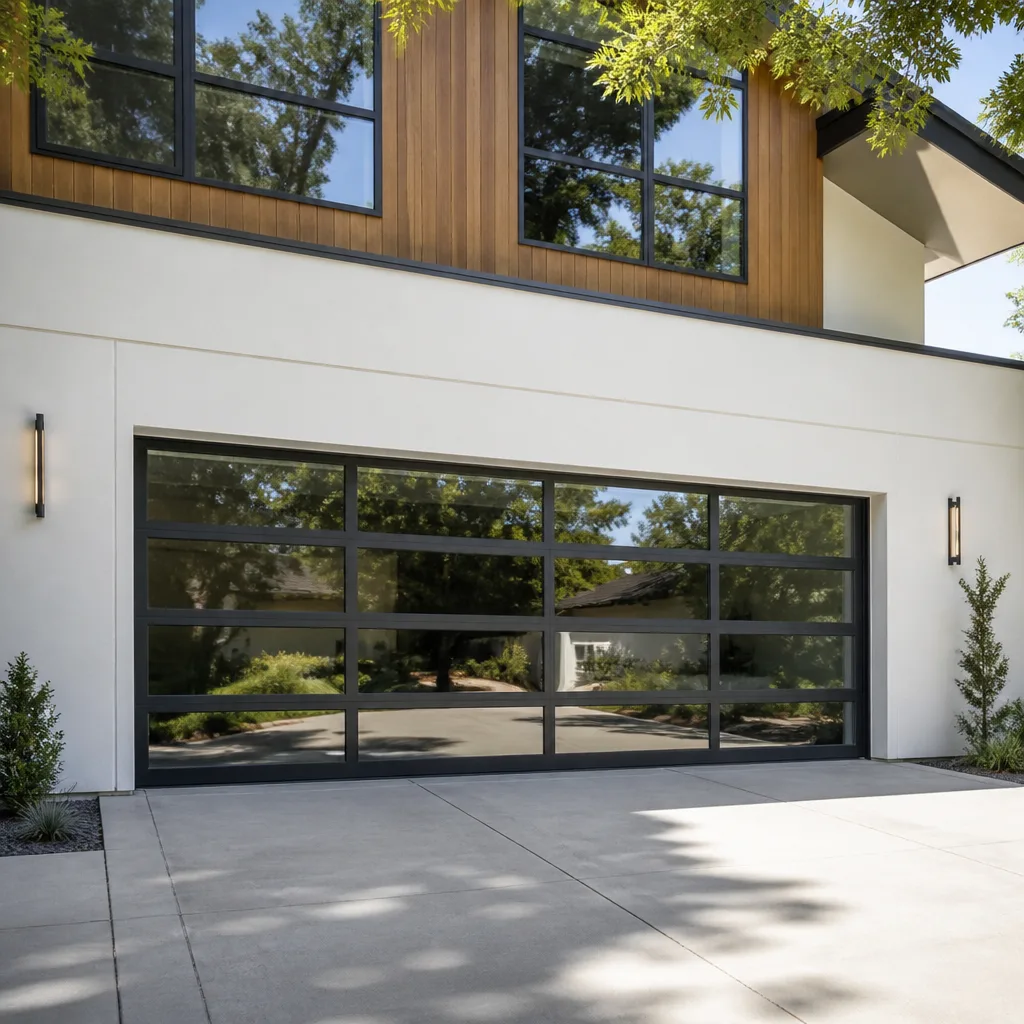 Full-view glass
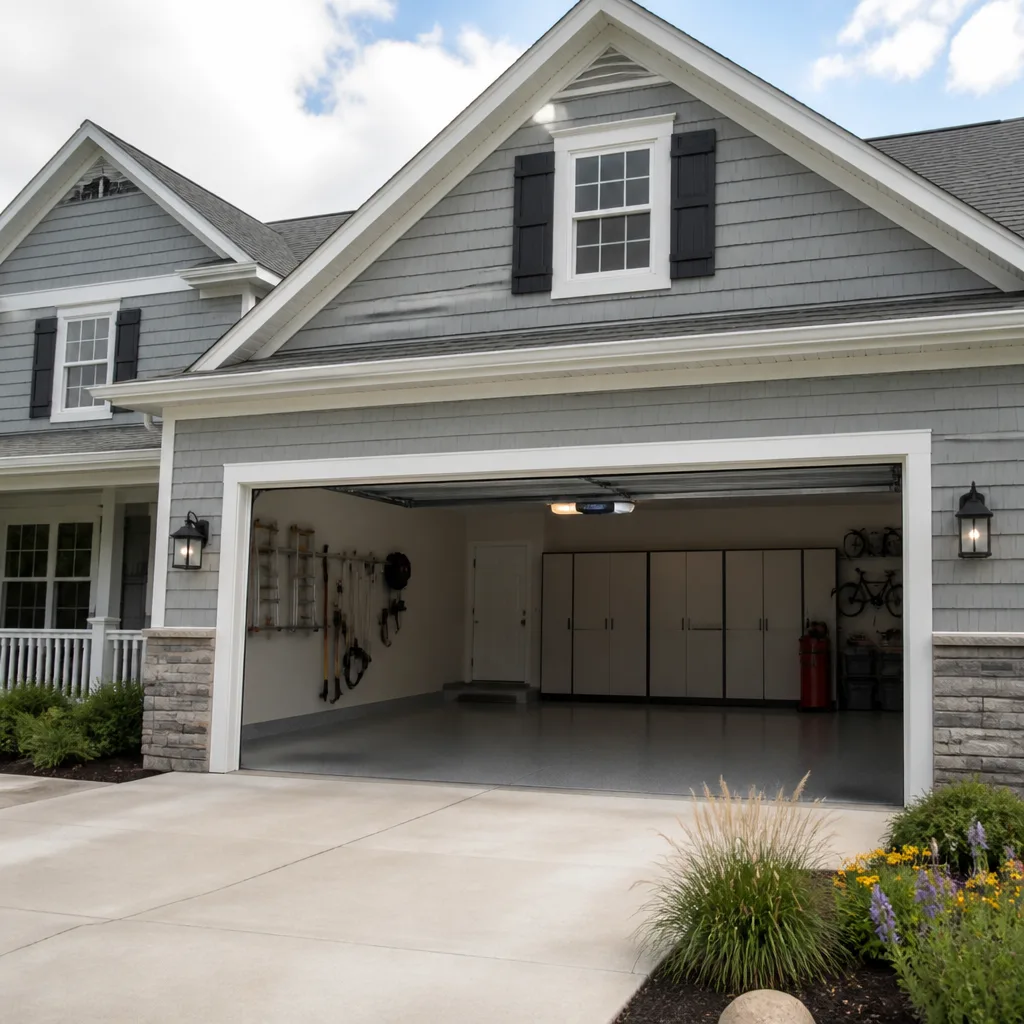 LiftMaster openers
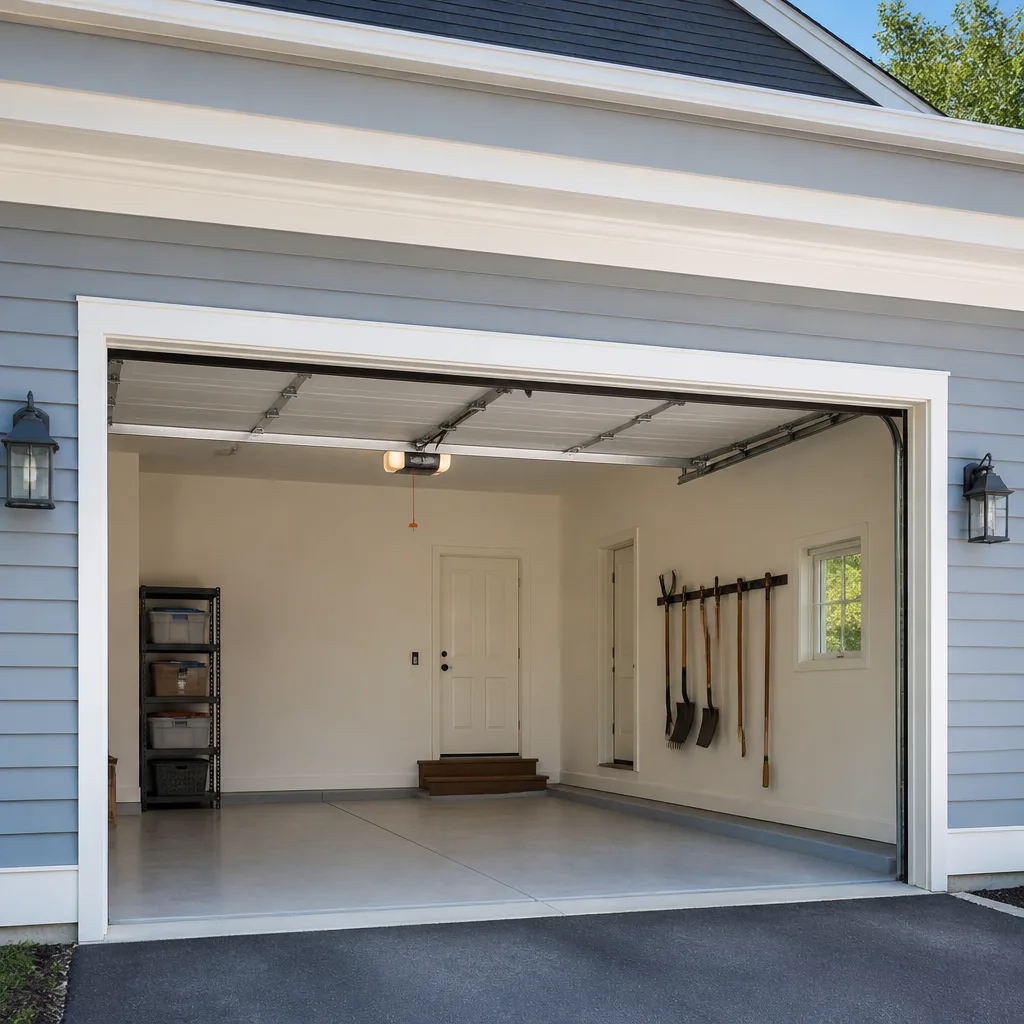 Chamberlain openers
Full 25-point door and opener safety check with every visit - springs, cables, rollers, tracks, and your LiftMaster or Chamberlain opener included
You get a price before we start. It does not change when the pro arrives.
Get your free estimateHow to Hire a Garage Door Contractor in New Britain: A Step-by-Step Guide
Most homeowners hire a garage door contractor the same way they hire a roofer after a storm: fast, under pressure, and with almost no checking. That’s exactly backwards, and it’s how people end up paying twice. After any major storm across Central CT, the number of out-of-state “garage door companies” advertising in New Britain tends to jump. Many of them can’t produce a Connecticut contractor registration and have no intention of honoring a callback six months later. In this guide, we’ll walk through how to tell a real specialist from a generalist or a storm-chaser, what a legitimate written estimate actually contains, and the specific questions that separate a contractor who knows your door from one who’s guessing. Hiring well in New Britain comes down to filtering for competence and accountability, not the lowest number.
Quick Answer
To hire a garage door contractor in New Britain, verify their Connecticut contractor registration, ask for a written estimate that specifies brands and part numbers, confirm they actually work on your specific door and opener brand, and refuse any quote that’s purely verbal. A legitimate specialist will put the price in writing before the work starts and won’t pressure you to decide on the spot.
Styles & brands we work with
- Raised-panel steel
- Carriage house
- Modern flush
- Full-view glass
- LiftMaster openers
- Chamberlain openers
Table of Contents
- Why Storm Season in New Britain Attracts Fly-by-Night Contractors
- How Do You Verify a Contractor’s Registration in Connecticut?
- What Should a Legitimate Written Estimate Include?
- OEM vs. Aftermarket Parts: Why It Matters for Spring and Cable Longevity
- How to Evaluate Experience With Your Specific Door Brand
- The Red Flags Specific to Garage Door Work
- The Questions to Ask Before You Sign Anything
- Common Mistakes to Avoid
- When to Call a Professional
- Frequently Asked Questions
Why Storm Season in New Britain Attracts Fly-by-Night Contractors
When a storm rolls through Central Connecticut and knocks out power or damages a door, demand spikes overnight. That’s the environment where the wrong contractors thrive. Out-of-state outfits arrive, advertise aggressively in New Britain, do a quick job, and vanish before the season’s over. The homeowner is left with a door that’s slightly off, a warranty that means nothing, and no one to call.
The pattern repeats because garage door work looks simple from the street. It isn’t. A torsion spring stores enough energy to cause serious injury if it’s released the wrong way, and an opener that’s mismatched to the door’s weight will wear out early or fail to reverse. These aren’t jobs you want handled by whoever’s cheapest this week.
What separates a real specialist from a storm-chaser comes down to a few things:
- Local accountability. They can be checked, and they expect to be checked. A contractor with nothing to hide will hand over their registration without hesitation.
- Written estimates. A real specialist puts the price in writing. A storm-chaser prefers a verbal number so nothing can be compared or held to.
- Brand knowledge. They know the difference between a LiftMaster opener and a Genie, or a Clopay door and an Amarr. That’s not trivia; it’s the difference between a fix that holds and one that doesn’t.
- Follow-through. A legitimate contractor doesn’t disappear after the invoice is paid. They stand behind the work.
How you hire in New Britain determines which of those you get. The steps below are how you filter for the first and screen out the second.
How Do You Verify a Contractor’s Registration in Connecticut?
You can check a contractor’s Connecticut registration through the state’s online database before any work begins, and you should. Connecticut requires home improvement contractors to register with the state, and that registration is public record. Ask for the registration number up front and verify it yourself.
Here’s what a state contractor registration actually covers, and where people get confused:
- It verifies a business exists and has filed the required paperwork. The registration confirms the contractor is on record with the state, not just a name on a flyer.
- It gives you a paper trail. If something goes wrong, the registration is a record you can point to. An unregistered outfit leaves you with nothing.
- It is not the same as a business license. A general business license lets someone operate a business in a town. It says nothing about whether they know how to do garage door work safely. Don’t accept a business license as a substitute for contractor registration.
- It does not guarantee quality. Registration is a floor, not a ceiling. It screens out the most fly-by-night operators, but you still need to ask the other questions in this guide.
When we talk to New Britain homeowners, the registration question is the first one we expect them to ask, and it should be. A contractor who hesitates, changes the subject, or says they’ll “get you the number later” is telling you something. Ask someone else.
Also ask whether the people doing the actual work are insured. The answer should be straightforward and documented. Don’t accept a verbal “yes, we’re insured” as sufficient; ask for proof.
What Should a Legitimate Written Estimate Include?
A legitimate written garage door estimate specifies the brand and model of every part being installed, the labor, the total price, and the terms. A verbal ballpark or a number scribbled on the back of a card covers none of that. When you’re comparing estimates, put them side by side and look for what’s missing, not just what’s listed.
Here’s what a proper written estimate for garage door work should include:
- Brand and model of parts. Not “springs” but the specific brand and model of the spring or cable. Without that, you can’t compare quotes or know what you’re paying for.
- An itemized breakdown. Parts, labor, and any other charges, each on its own line. A single bottom-line number hides where the cost is coming from.
- The labor guarantee, in writing. How long is the work guaranteed? What does the guarantee cover? Vague language like “satisfaction guaranteed” without terms means nothing. Ask for it spelled out.
- The warranty on parts. Parts warranties vary by manufacturer and by part. Ask what the warranty is on the specific part being installed, and get it in the estimate.
- The total price, stated plainly. The written estimate should set the price. You shouldn’t be guessing whether the final invoice will match.
- Terms and timing. When will the work happen, and what happens if a part needs to be ordered?
One point worth emphasizing: the written quote is the price. If a contractor won’t commit to a price in writing, that’s not a quote; it’s a guess. And a guess can go up once the work is underway.
If you call New Britain Garage Door Repair Pros for a garage door repair, you’ll get an estimate before any work starts. That’s the standard we hold ourselves to, and it’s the standard you should hold any contractor to.
OEM vs. Aftermarket Parts: Why It Matters for Spring and Cable Longevity
OEM parts are made to the original manufacturer’s specifications; aftermarket parts are made by third parties and vary widely in quality. For garage door springs and cables, that difference is the whole ballgame. A spring is matched to the weight of your door, and a cheap aftermarket spring that’s mismatched or under-spec will fail early, sometimes within a year. An OEM spring installed correctly can last far longer.
The question to ask a contractor isn’t “do you use good parts.” It’s “what brand and model of spring or cable are you installing, and is it OEM or aftermarket?” If the answer is vague, press. A specialist who works on Clopay or Amarr doors every week knows exactly which springs and cables are correct for the door, and can tell you without checking.
Why this matters specifically for New Britain: the climate here swings hard between humid summers and freezing winters, and doors go through thousands of cycles a year. That constant cycling is what wears a spring out. The right part, sized and matched correctly, is what makes it last. The wrong part fails early, and you’re back where you started, minus the money you spent.
The same logic applies to cables. A cable that’s under-spec or mismatched to the door’s tension will stretch, fray, or snap. A specialist will specify the cable by brand and model. A generalist will grab whatever’s on the shelf.
One more reason this matters: an opener or spring installed with mismatched parts can affect your manufacturer’s warranty on the door or opener. If a part you didn’t specify causes damage, the warranty may not cover it. Ask the contractor to specify brands in writing so you have a record.
How to Evaluate Experience With Your Specific Door Brand
General garage door experience isn’t the same as experience with your door. A contractor who’s never worked on a Raynor or a Wayne Dalton may still claim they can handle it, and they might be right. But they’ll be learning on your door, at your expense, and they may not know the brand-specific quirks that matter.
Here’s how to evaluate whether a contractor actually knows your brand:
- Tell them the brand and model and listen for specifics. A contractor who works on your brand will respond with specifics: the opener’s travel limits, the way the spring system is tensioned, the parts that tend to fail first. A generalist will respond with generalities.
- Ask what parts they’d use. For a Craftsman opener, a specialist knows the replacement parts and the common failure points. For a Clopay door, they know the panel and track configurations. For an Amarr or a Raynor, they know the hardware. If they can’t name the parts, they’re guessing.
- Ask whether they’ve worked on your opener brand specifically. Openers and doors are different systems. A contractor who knows doors but not openers may still struggle with your LiftMaster or Genie.
- Ask about brand-specific warranty language. Some manufacturers have specific requirements about who can service their equipment without affecting the warranty. A specialist will know this.
A specialist, not a generalist, will have the brand knowledge without hesitation. We work on LiftMaster, Chamberlain, Genie, Clopay, Amarr, Wayne Dalton, Craftsman, and Raynor, and that’s a deliberate choice: it means when you call for garage door opener repair, the technician already knows your brand’s hardware. No time spent reading the manual on your dime. If a contractor can only speak in generalities about your door or opener, that’s your signal to keep looking.
The Red Flags Specific to Garage Door Work
Some red flags are generic to any trade. Others are specific to garage doors, and those are the ones worth watching for in New Britain.
- Pressure to decide the same day. If a contractor says the price is only good today, or warns that “someone else will take your slot,” that’s a sales tactic, not a quote. A legitimate contractor will give you a written estimate and let you think it over.
- A vague labor guarantee. “Satisfaction guaranteed” without terms means nothing. A real guarantee names what’s covered, for how long, and what happens if it fails. Get it in writing or don’t accept it.
- No brand specification on parts. If the estimate says “springs” without a brand and model, you have no way of knowing what’s going into your door. That’s a red flag.
- Quoting a spring job without inspecting the door. Spring work depends on the door’s weight and condition. A quote given sight-unseen is a guess. A specialist checks the door first.
- Reluctance to discuss the safety risks. Torsion and extension springs are under extreme tension. A contractor who brushes off the danger or offers a quick DIY fix doesn’t respect the work. That’s a red flag.
- No physical presence to point to. A legitimate contractor can be verified through the state, has references, and doesn’t disappear after the work.
None of these flags is definitive on its own. But two or three together is a sign to walk away and call someone else.
The Questions to Ask Before You Sign Anything
Before you agree to any garage door work in New Britain, ask these questions. A legitimate contractor will answer them without flinching, and the answers will tell you most of what you need to know.
- What’s your Connecticut contractor registration number? And you should be able to verify it yourself through the state’s database.
- What parts are you installing, and are they OEM or aftermarket? Ask for the brand and model, and get it written into the estimate.
- What’s your labor guarantee, and what does it cover? Get it in writing, with terms.
- Have you worked on my specific door or opener brand? The answer should come with specifics, not generalities.
- Will the price on the estimate be the price I pay? The answer should be yes, and it should be in writing.
- What happens if the repair reveals a larger problem? A specialist will tell you before they do the work and give you an updated written estimate, not surprise you at the invoice stage.
- Can you show me references from New Britain area customers? A real contractor can point to work that’s been done and is standing behind it.
These questions apply whether you’re hiring for a garage door spring repair or a full new-door installation. The difference is in the scope, not the standard.
Common Mistakes to Avoid
- Hiring the first quote you get. Get at least two written estimates and compare them line by line. The cheapest quote often leaves out parts, labor guarantees, or warranty terms that the more complete quote includes.
- Accepting a verbal estimate. A verbal quote can change, and it can’t be held to anything. If it’s not in writing, it’s not a quote.
- Not checking contractor registration. An unregistered contractor can’t be verified, and if something goes wrong, you have no record to point to. The check takes minutes.
- Ignoring the brand question. A contractor who doesn’t know your door brand may be learning on your door. Ask, and listen for specifics.
- Letting a contractor quote a spring job without an inspection. Spring work depends on the door’s weight and condition. A quote given without checking the door is a guess.
- Assuming a generalist can do the job. A handyman or general contractor may not have the tools, the brand knowledge, or the safety training for spring and opener work. A specialist is worth finding.
- Skipping the warranty conversation. Parts warranties vary. If you don’t ask, you may not know what you’re covered for until something fails.
When to Call a Professional
Some garage door issues are cosmetic or scheduling matters. Others are dangerous or urgent, and shouldn’t wait. Call a professional when a spring has snapped or a cable has come loose, when the door is stuck halfway and the car is trapped, when the opener reverses for no reason or stops partway, when the door feels unusually heavy to lift, or when you’re considering a new door or opener install. Spring and cable problems are the most urgent: torsion and extension springs are under extreme tension, and handling them without proper tools and training is a serious injury risk. Don’t try to DIY a spring. For a door that’s off its track, making noise, or failing to reverse, get it looked at before it fails completely. New Britain Garage Door Repair Pros offers free estimates in New Britain; call (855) 959-3390 to book one.
Frequently Asked Questions
You can check a contractor’s Connecticut registration through the state’s online database by looking up their registration number. Ask for the number before any work begins and verify it yourself. A legitimate contractor will hand it over without hesitation; a storm-chaser often won’t have one to give.
A business license lets someone operate a business in a town; a contractor registration means they’ve registered with the state as a home improvement contractor and are on record. The registration is what you want to verify. A business license alone doesn’t tell you whether they know how to do garage door work safely.
Yes. A written estimate should specify the brand and model of every part, the labor, the total price, and the terms of the guarantee. A verbal quote can change and can’t be held to; the written quote is the price. If a contractor won’t put it in writing, call someone else.
It matters a lot for springs and cables. OEM parts are made to the original manufacturer’s specifications; aftermarket parts vary in quality. A cheap or mismatched aftermarket spring can fail early, and a mismatched part can affect your warranty. Ask what brand and model are being installed, and get it in writing.
They shouldn’t. Torsion and extension springs are under extreme tension, and replacing one requires specialized tools and training. It’s a job for a garage door specialist, not a generalist. If someone offers to do it cheaply without the right tools, that’s a red flag.
Tell them the brand and model, and listen for specifics. A contractor who works on your brand will respond with specifics about the parts, the failure points, and the hardware; a generalist will answer in generalities. We work on LiftMaster, Chamberlain, Genie, Clopay, Amarr, Wayne Dalton, Craftsman, and Raynor, so the technician already knows your door before the call.
The Bottom Line
Hiring a garage door contractor in New Britain comes down to filtering for competence and accountability, not finding the lowest number. Verify the Connecticut contractor registration. Insist on a written estimate that names brands and models. Ask what parts are being installed and whether they’re OEM or aftermarket. Confirm the contractor knows your specific door and opener brand. Watch for pressure tactics, vague guarantees, and no brand specification, and walk away if you see them. A specialist, not a generalist, will answer all of it without hesitation. Whether you need a repair or a New Britain Garage Door Repair Pros installation, the same standard applies.
If you’re ready to get a written estimate from a specialist, call New Britain Garage Door Repair Pros at (855) 959-3390. Estimates are free, and the price is agreed before any work starts.
Written by the team at New Britain Garage Door Repair Pros.
See the difference
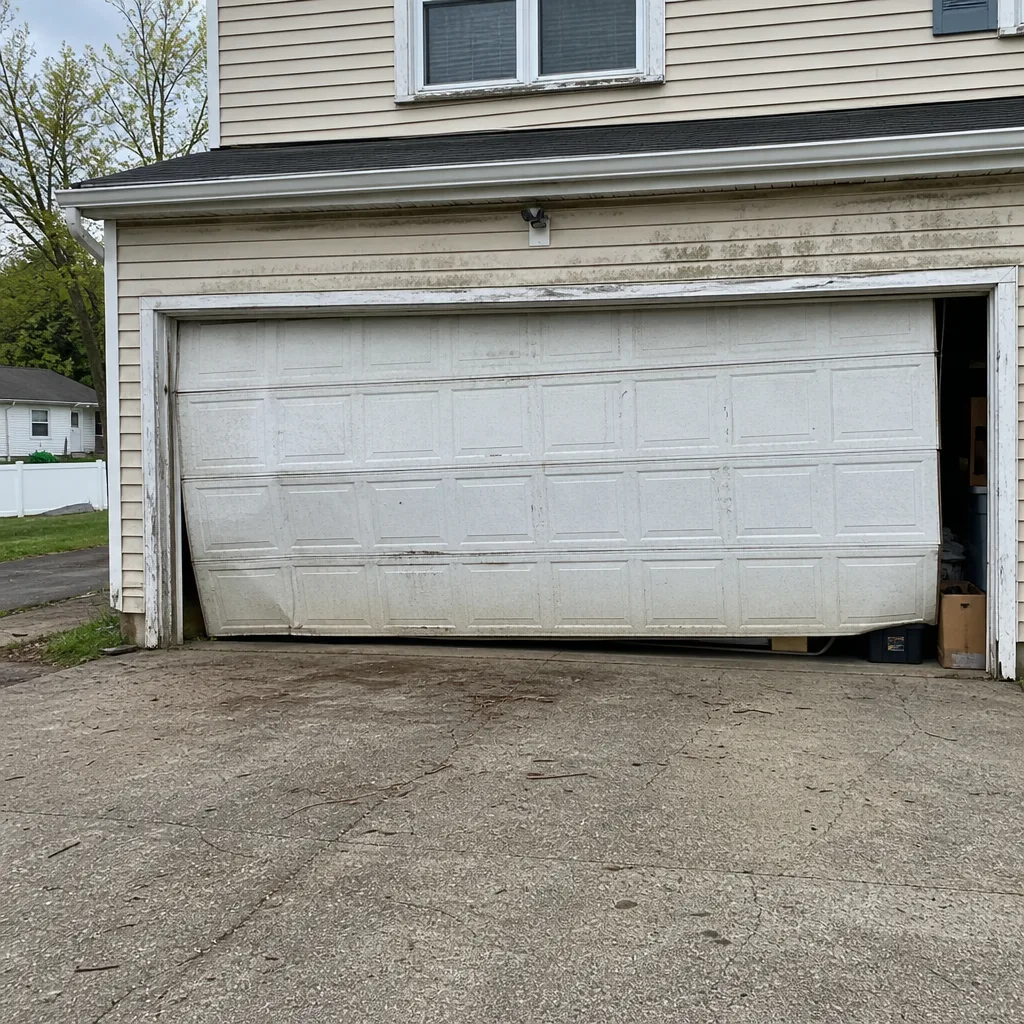 Before
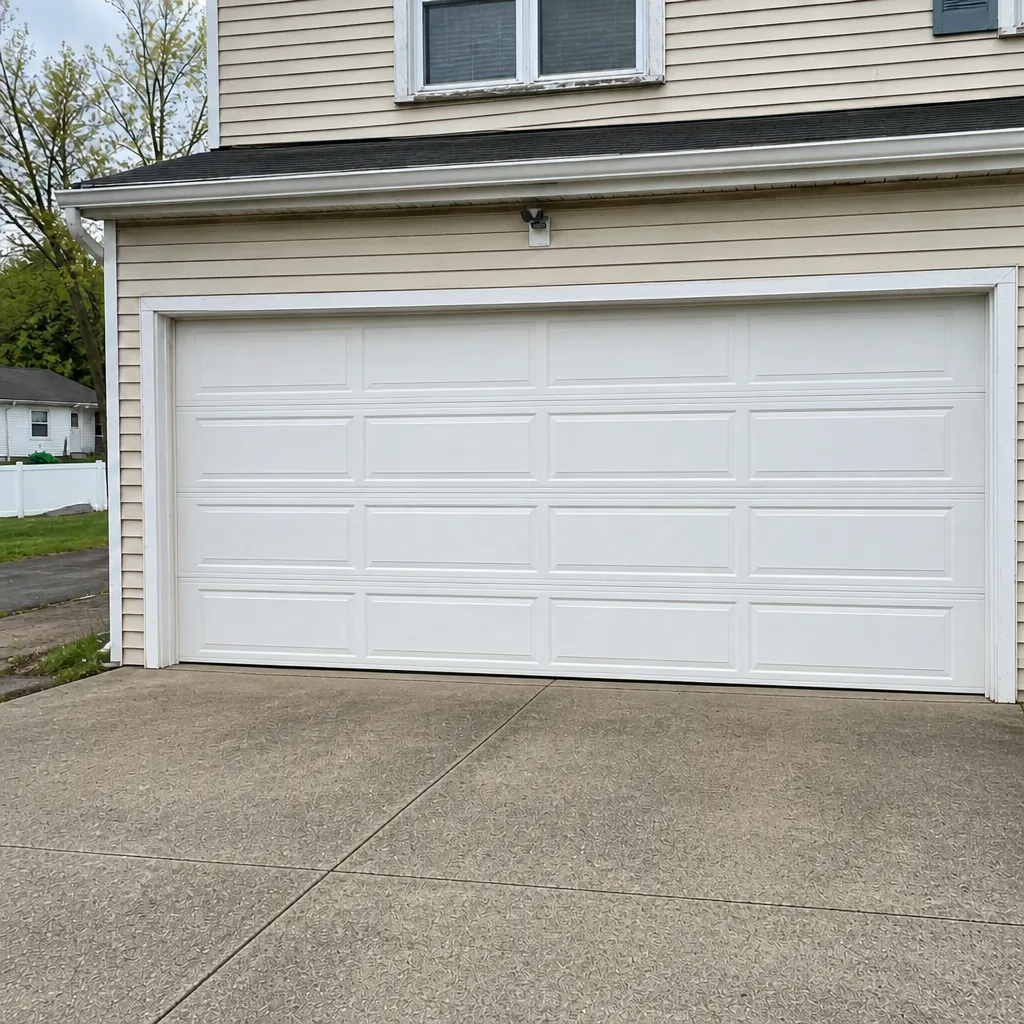 After
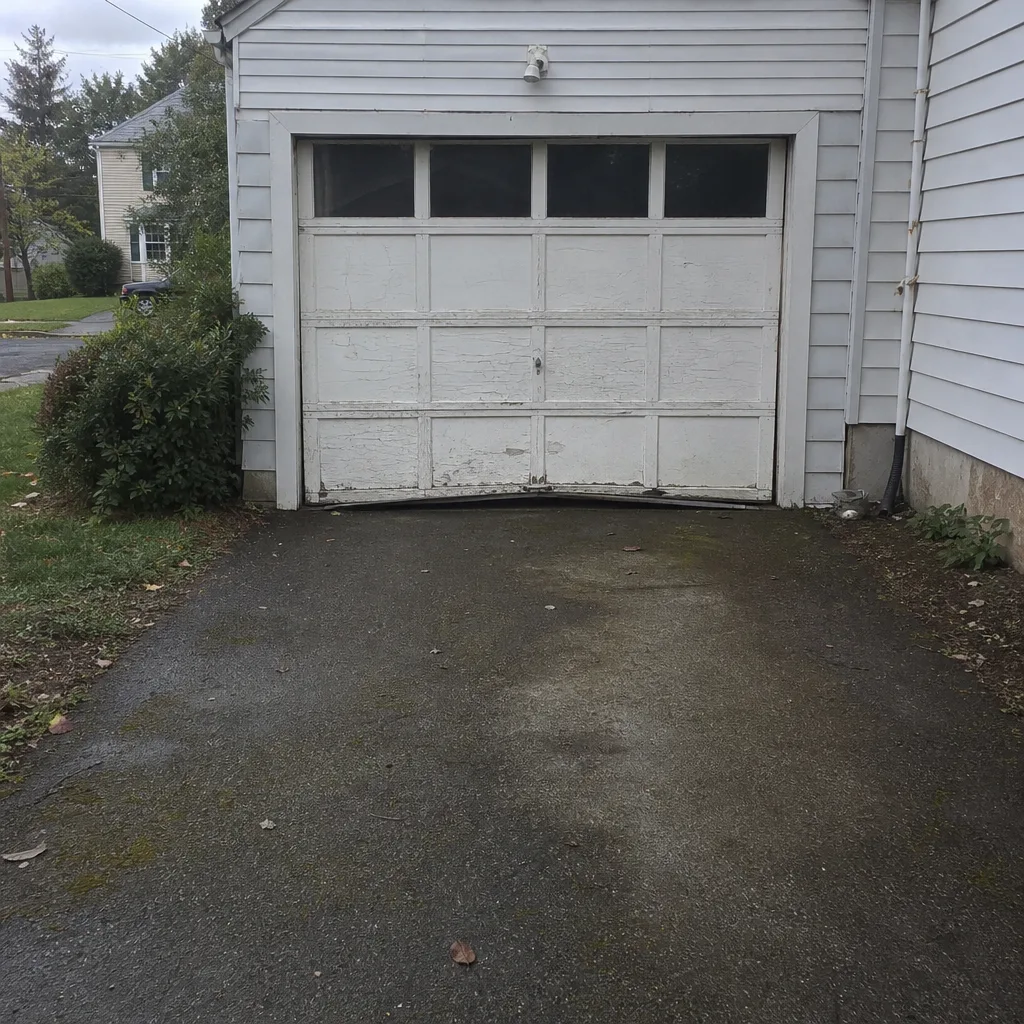 Before
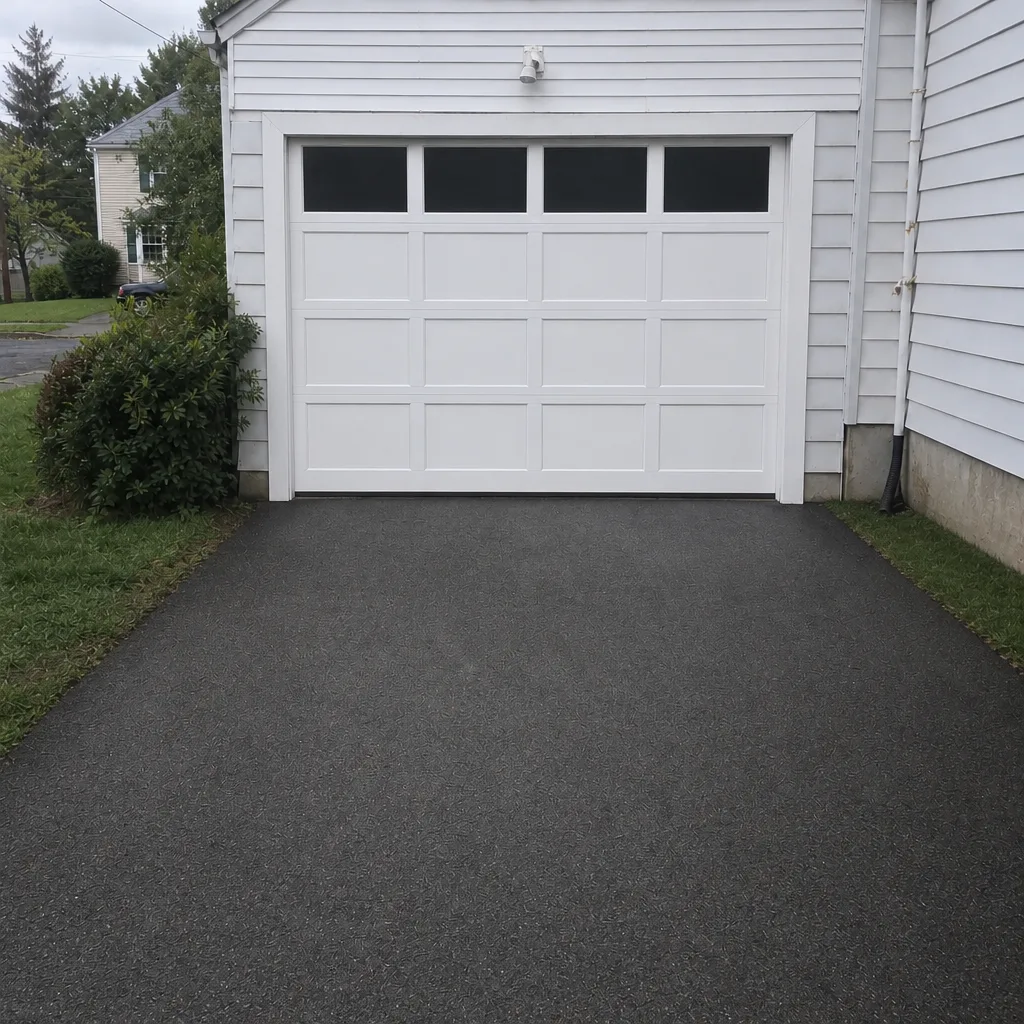 After
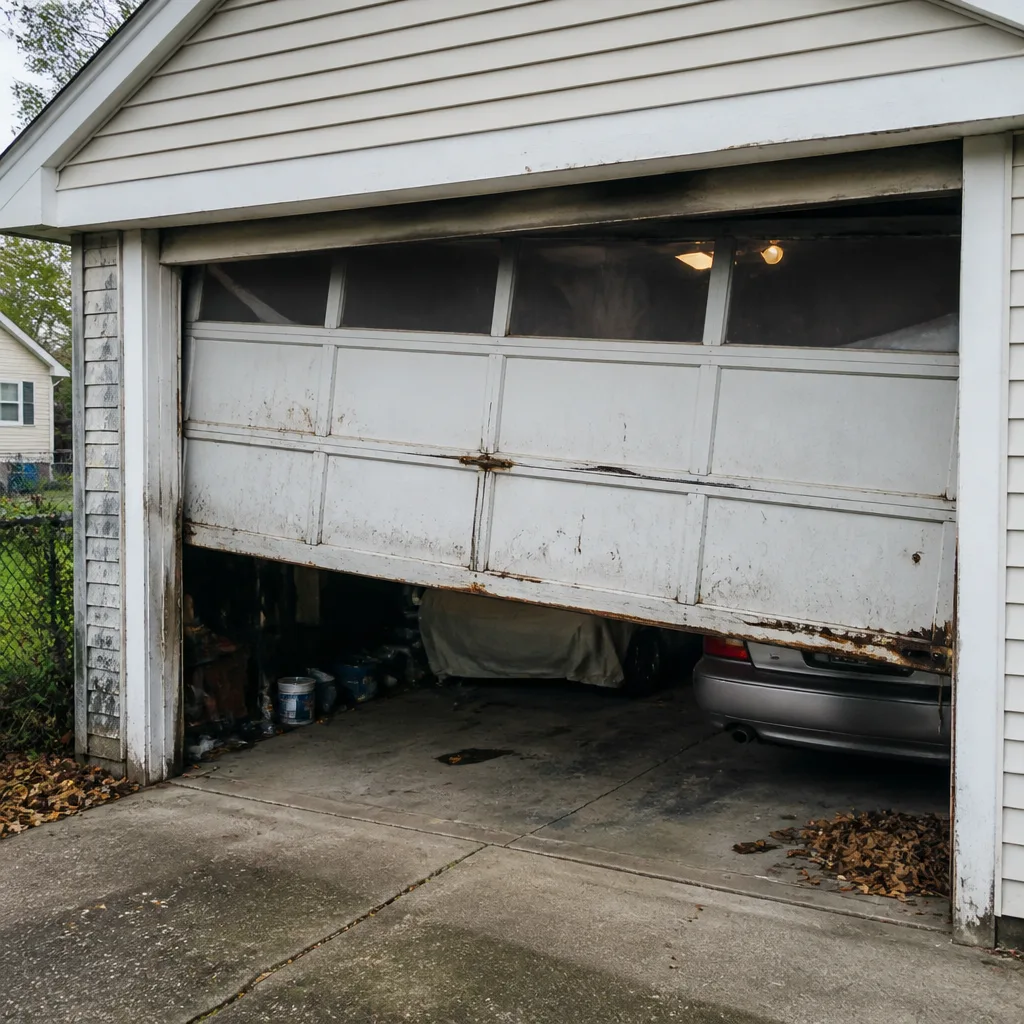 Before
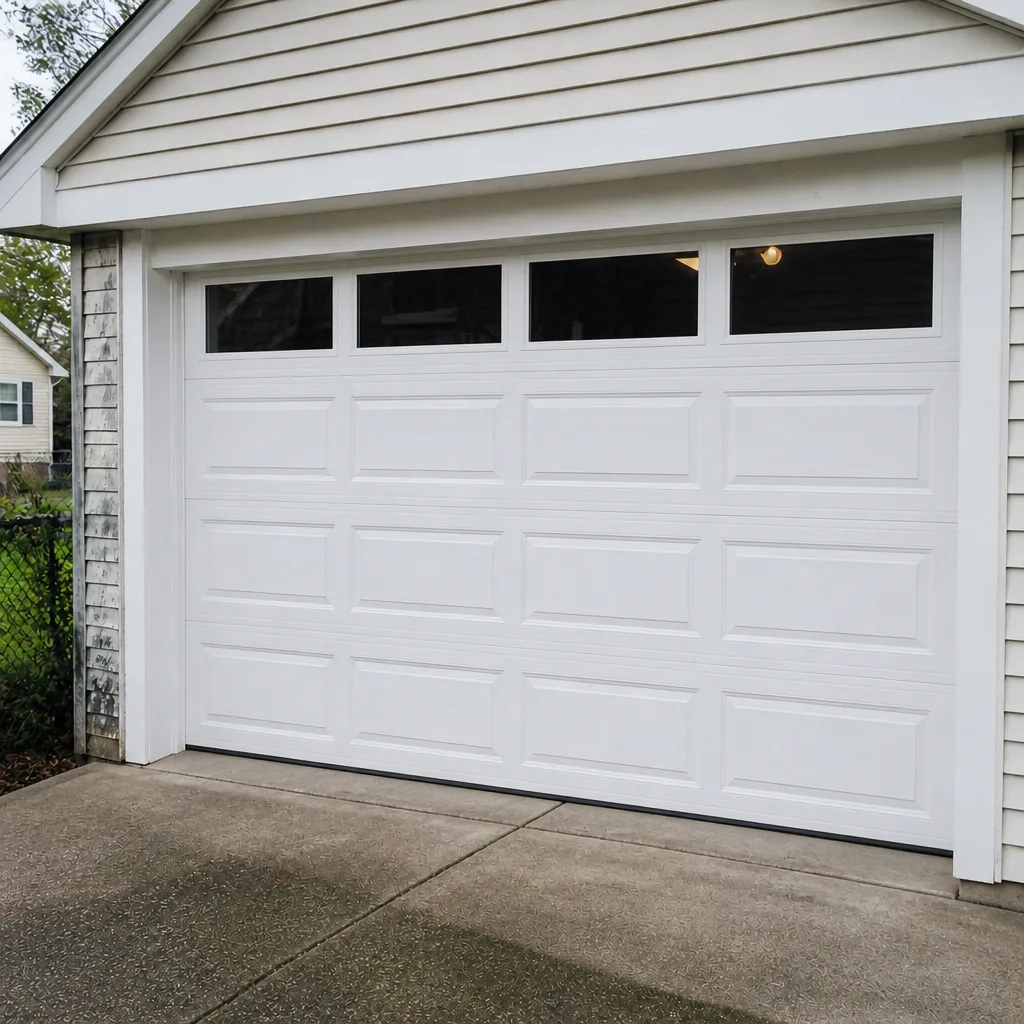 After